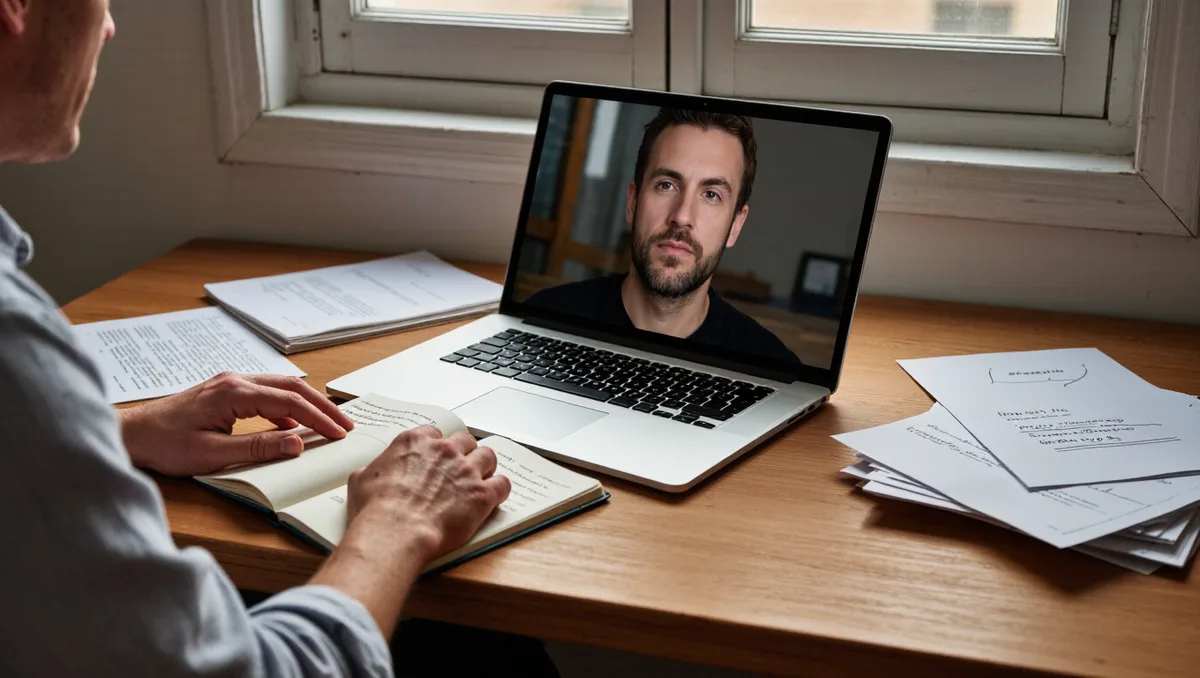
Most newsrooms guess what their community wants. Editors debate story ideas behind closed doors, then hope the coverage lands. Listening sessions replace that guesswork with direct conversation.
A listening session is a planned meeting where residents tell you what they need from local news. You ask, you take notes, and you follow up. This guide covers how to plan a session, run it, and turn what you hear into coverage.
Why Listening Beats Guessing
Community engagement is involvement and participation in an organization for the welfare of the community. Scholars describe it as "a dynamic relational process that facilitates communication, interaction, involvement, and exchange between an organization and a community." The practice is, at heart, "a community-centered orientation based in dialogue."
For a newsroom, that framing changes the questions. Instead of asking what stories we want to tell, we ask what the community needs us to find out. The Wikipedia overview of community engagement notes that such practices aim to "understand and be responsive to community needs, views, and expectations."
There is a payoff beyond story ideas. The same entry calls the outcome "social capital and stronger relational networks." Those networks later send you tips, sources, and loyal readers.
Set a Clear Goal Before You Book a Room
Decide what the session is for before you invite anyone. A vague goal produces vague notes. Pick one or two open questions, such as "What is missing from our coverage of your neighborhood?" or "Which local issue does nobody seem to be covering?" This connects to our earlier piece, Who Listens to Local Audio Briefings — and How a Small Newsroom Starts One.
Write the goal down and repeat it at the start of the meeting. People give better answers when they know why you are asking. Share the goal with your staff as well, so everyone who attends knows what a useful result looks like. Readers following this should also see What a Newsletter-First Editorial Calendar Looks Like in Practice.
Invite the Right Mix of People
Do not fill the room with your most loyal readers. Reach out to people who stopped reading, people who never started, and leaders of groups you rarely cover. Partner with libraries, churches, and civic clubs to spread the invitation.
Keep the group small enough for real conversation. Eight to twelve people works well. A larger crowd turns the session into a presentation, and presentations are not listening.
Offer something in return for people's time. An evening slot, a quiet room, and simple refreshments show respect. Some newsrooms promise to publish a summary of what they heard, which also sets up your follow-up.
Run the Room So People Actually Talk
Open by explaining who you are and why you are there. Say plainly that you are not selling anything and not defending anything. Then ask your first question and stop talking.
Let silence sit for a moment after each question. Someone always fills it. Write down exact phrases, because the words residents choose often make better headlines than anything an editor could draft.
Bring a second staffer to take notes while you moderate. If you work alone, record the session with permission. Watch the clock, and save ten minutes at the end for the question that matters most: what did we miss tonight?
Turn Notes Into Coverage
Within a few days, sort your notes into themes. Look for topics that came up more than once. Repeats are your strongest signal, because several strangers rarely invent the same concern.
Then close the loop. Publish a short piece that lists what you heard and what you plan to do about it. The Wikipedia entry describes partners who "work hand-in-hand to identify the problems, co-develop solutions, and recommend policy changes." For a newsroom, the solution is coverage, and the plan should say which stories come first.
Track results over time. Note which story ideas came from which session, and watch how those stories perform. Within a quarter or two, you will know which rooms, questions, and neighborhoods give you the best return.
Conclusion: Make Listening a Habit
One session helps, but habits change newsrooms. Put listening sessions on the calendar every quarter, rotate the locations, and keep a running list of what each round taught you. Over time you will spend less energy guessing what to cover and more time covering the community as it really is. That is what good engagement sounds like: residents talking, and a newsroom quiet enough to hear them.