A local audio briefing — four to six minutes, recorded once, distributed everywhere — reaches three audiences a text product misses: commuters and workers whose hands are busy, listeners whose radio habit predates every app, and the younger podcast-listening segment that audio platforms aggregate. Voice is also the fastest trust medium a local outlet owns: the listener hears a neighbor, not an institution. Reuters Institute Digital News Report findings across recent years show podcasts and audio news growing while text referral channels shrink — the audio brief is where that trend becomes practical for a newsroom of two.
What does a small newsroom need to start?
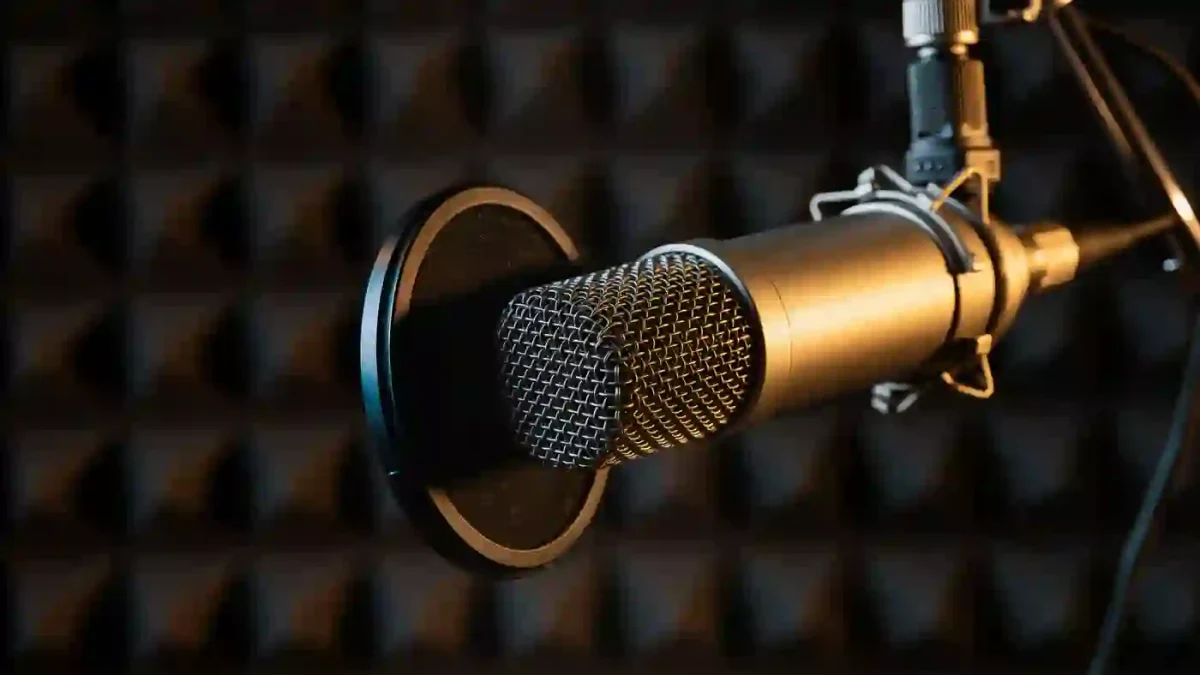
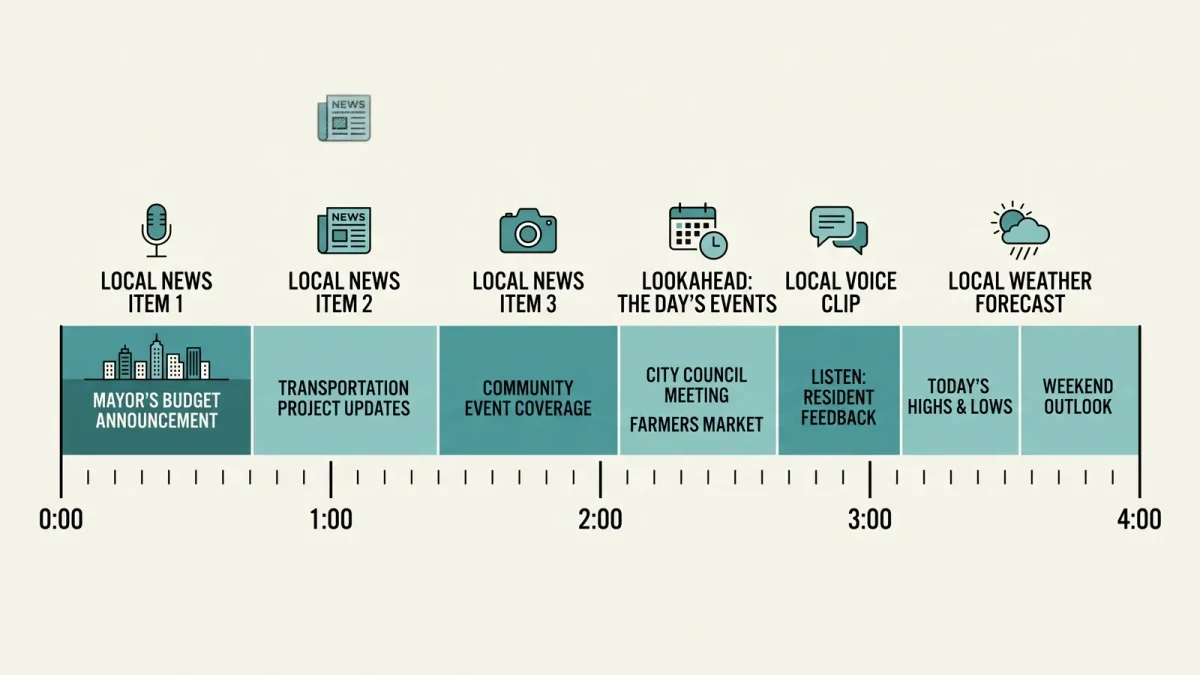
Less than almost any other product: a decent USB microphone, a quiet closet, free editing software, and a hosting service that generates an RSS feed. The professional barrier is not equipment; it is the discipline of a fixed format published on a fixed schedule. A workable starter format, four minutes: the three things that happened, the one thing happening today, and one voice — a fifteen-second clip from a council member, a coach, a resident — that makes the day feel local. Read the weather at the end; listeners forgive an imperfect newscast and nothing else.
Where does it distribute?
Everywhere the feed can carry it: podcast directories, the outlet's site, and — the local multiplier — the regional radio station, many of which will air a well-produced local brief as programming. Smart speakers and car interfaces take the same feed. The one-platform mistake to avoid is treating the brief as a podcast-app product: in small markets the actual listeners are in cars and kitchens, and the RSS feed is plumbing, not the audience strategy.
What makes local audio work editorially?
Consistency and voice. The format never surprises: same length, same order, same sign-off — habit is the product. The presenter writes for the ear: short sentences, numbers rounded once and precisely once, place names the listener recognizes. And the brief aggregates rather than summarizes: it tells listeners what the outlet published and where to find it, which makes the brief a front door rather than a substitute. Newsrooms running briefs report the same secondary benefit: writing tight audio copy daily improves every other product the outlet makes.
Can AI voices read the brief?
Technically yes, and the disclosure rules a newsroom adopts for AI drafting apply unchanged: if the voice is synthetic, say so in the audio itself and in the feed description. The trade deserves honesty — a synthetic voice reads a local brief accurately, but the trust advantage of audio is precisely that it sounds like someone from here. The hybrid that preserves the asset: a real presenter reads the daily brief; synthetic voices, clearly labeled, serve accessibility versions or additional languages the newsroom cannot yet staff.
What does success look like?
Downloads matter less than completion and habit: hosting analytics show whether listeners finish the episode, and a brief that holds its audience to the weather report has earned the next day's download. Six months of a fixed schedule, one distribution partnership on radio or in the school-district's communication channels, and a recognizable voice: that is the whole strategy. Audio compounds slowly and decays slowly — an archive of daily briefs becomes, without anyone planning it, the community's oral record of the year.
Frequently asked questions
Does audio duplicate the newsletter?
It serves a different moment of the day, and cross-promotion runs both ways — the brief's third item is often the newsletter's lead. Duplication is only a problem if neither product has a fixed habit of its own.
How long until an audience builds?
Months, not weeks — audio habits form around reliability. The newsrooms that quit did so in week six; the ones that have audiences published every day through the silent period.
Is a weekly brief a reasonable start?
Yes, as training: a Friday week-in-review teaches the format with one deadline. Moving to daily is a separate decision — daily is a promise, and it should be made deliberately.