How to Start a Newsletter Business: A Realistic Guide
Niches, cadence, and revenue paths — without the survivorship stories that make the math look easier than it is.
Owen Blackwood · October 23, 2026Niches, cadence, and revenue paths — without the survivorship stories that make the math look easier than it is.
Owen Blackwood · October 23, 2026Plumbing, freight and waste firms often adopt new tools before the hype arrives. Here is why that happens, and what it means for anyone judging a sector by its headlines.
William Elliott · October 21, 2026
Long reads die in the open tab. A few habits, a couple of free tools, and one honest decision about the piece itself change that.
Owen Blackwood · October 21, 2026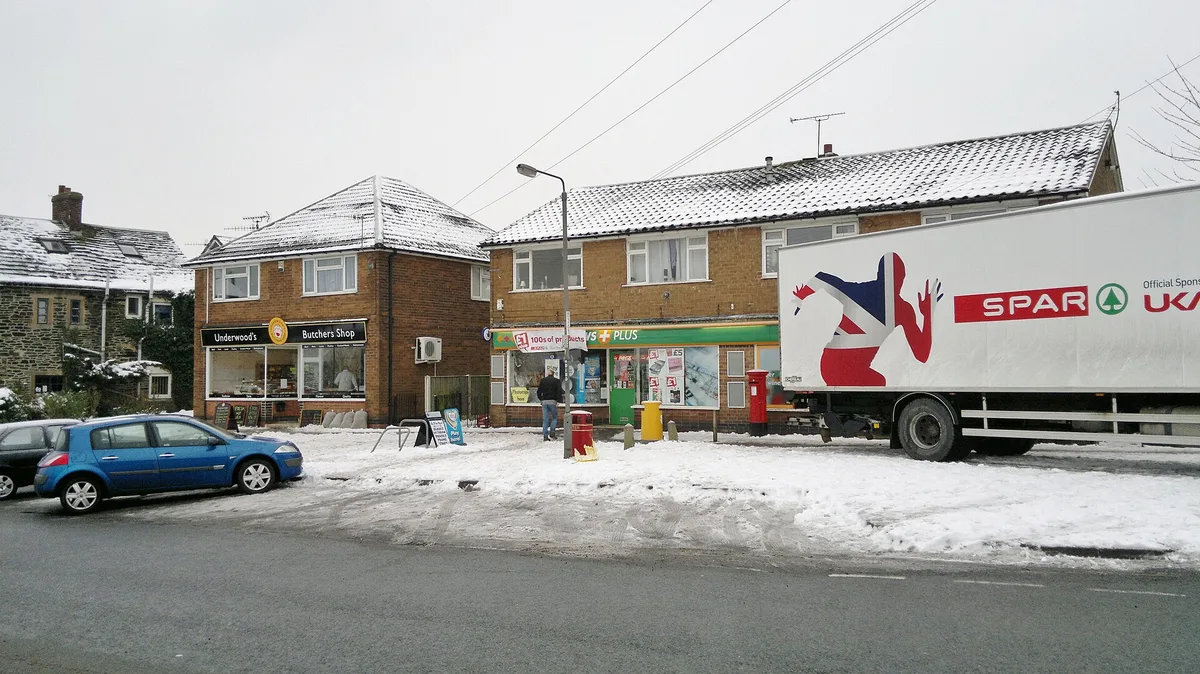
Four seasons, four different lists. Here is what to do before each one arrives, and how your local forecast fits in.
Nathan Brooks · October 19, 2026
Plan and run community listening sessions that turn resident input into local news coverage. A step-by-step guide for small newsrooms.
Nathan Brooks · October 4, 2026
Prototyping, patents and first customers, in the order that actually works for non-technical creators.
William Elliott · October 3, 2026Shared workshops work in small towns for a plain reason: they split the cost of tools nobody can buy alone.
William Elliott · September 30, 2026The mechanism behind civic hubs that move a resident's suggestion from a sticky note to a working pilot — and where the process usually stalls.
William Elliott · September 26, 2026
Newsworthiness is not a mystery. It is a set of checks any beginner can learn to run.
Rosa Marchetti · October 15, 2026
What a degree reliably buys, what it does not, and how the alternatives actually compare.
Rosa Marchetti · October 17, 2026
How reporters can authenticate records before publication: examine the document, cross-check contents, confirm with issuers, and log every step.
Nathan Brooks · October 6, 2026
A serialized look at the long road a cover story travels, from the first pitch memo to the printed page.
William Elliott · September 29, 2026
Labels, standards, and ethics separate straight reporting from commentary — and readers can learn to spot the line.
Rosa Marchetti · September 24, 2026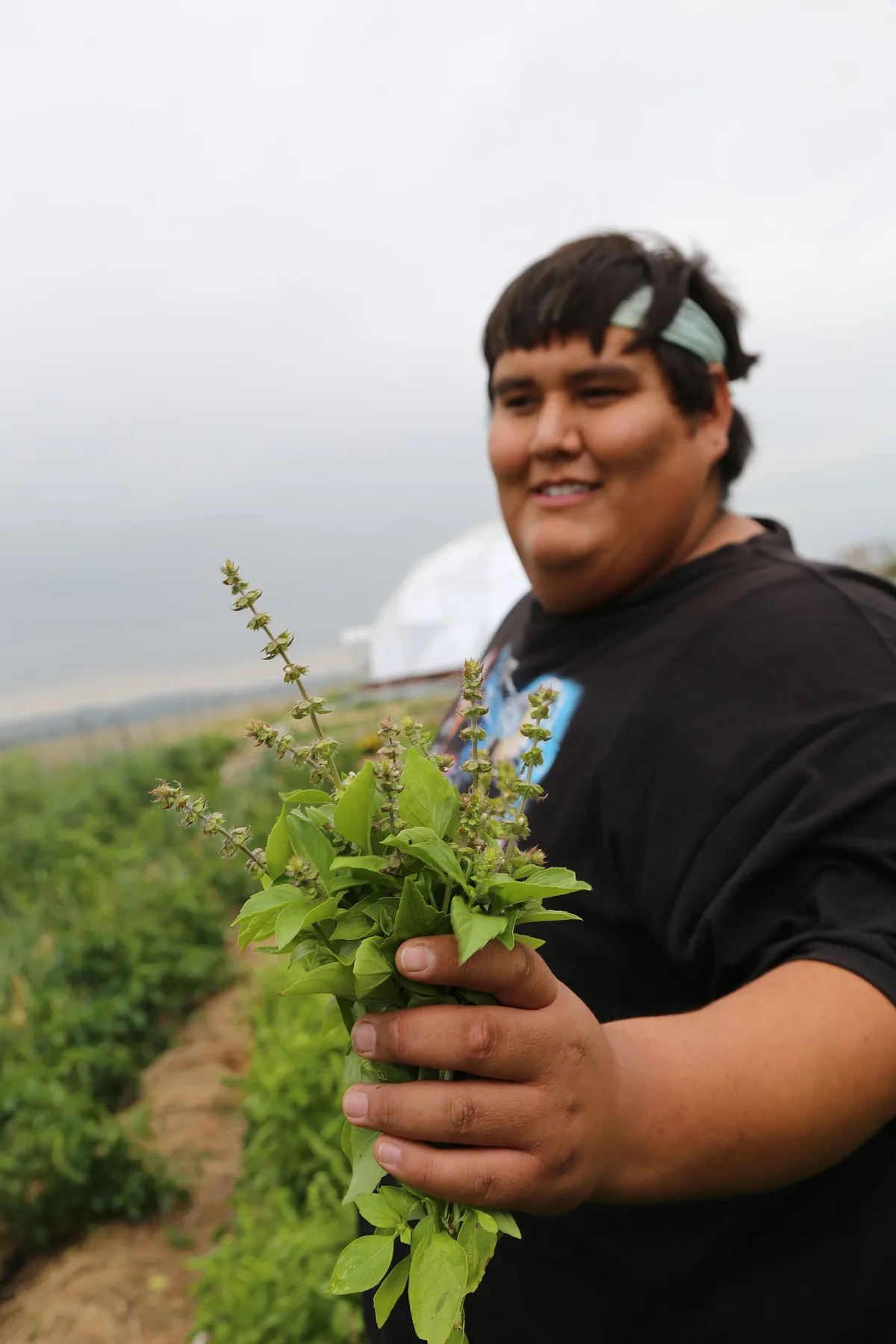
A neighborhood plot grows vegetables, yes. It also grows the connections that make a community easier to cover, easier to organize, and harder to ignore.
Nathan Brooks · October 9, 2026
Free newsletters, public feeds, library access and a little patience can keep you informed when subscriptions pile up.
Rosa Marchetti · September 23, 2026Northwestern Medill's reporting puts the loss at roughly a third of American newspapers since 2005 — the transferable lesson is narrower than the eulogy.
Nathan Brooks · August 26, 2026The county-level count is the best supply map local journalism has, and it was never built to tell you whether anyone is at the council meeting.
Nathan Brooks · August 17, 2026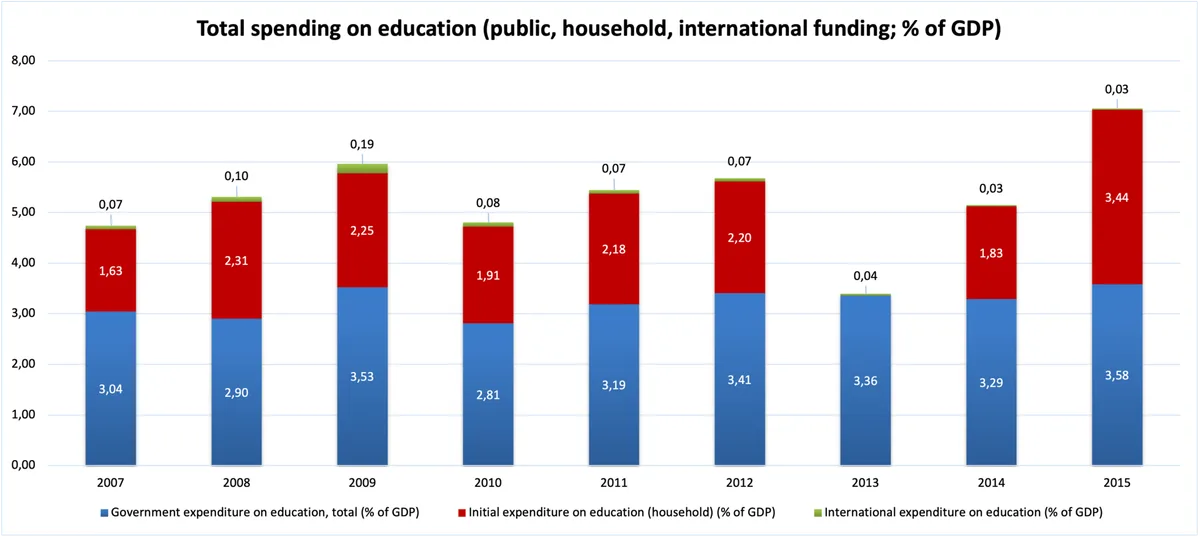
Member dues, grants and underwriting each carry different strings. Here is how the streams fit together, and what each one costs a newsroom in independence.
Owen Blackwood · October 11, 2026
A practical guide to feeds, source-checking, and habits that hold up on a busy weeknight.
William Elliott · October 1, 2026A reader's guide to spotting aggregation, framing, and the questions a headline quietly leaves out.
Owen Blackwood · September 27, 2026The January 2025 shift to community notes ends paid third-party partnerships in the U.S. and moves the verification burden somewhere new.
Owen Blackwood · August 28, 2026
Metered, freemium and hard paywalls trade off speed, volume and price differently — and the choice shapes what it costs to win each new paying reader.
Nathan Brooks · September 11, 2026
A look inside the mechanics of the annual matching-gift campaign that has become a core fundraising engine for nonprofit newsrooms.
Nathan Brooks · August 10, 2026The July 14, 2026 announcement offers eligible newsrooms up to $250,000 each — the newest test of whether platform-matched public money can be administered at arm's length.
Nathan Brooks · August 5, 2026Public funding for local journalism is spreading across U.S. states despite political setbacks — tax credits, grant programs, and notice reforms, arriving with independence questions attached.
Nathan Brooks · July 14, 2026