The craft of reporting examined closely: developing a beat, source protection, document verification, records requests, corrections practice, and the ethical decisions taken close to deadline. Examples come from published work with the reasoning made explicit. For working reporters, editors and journalism instructors.
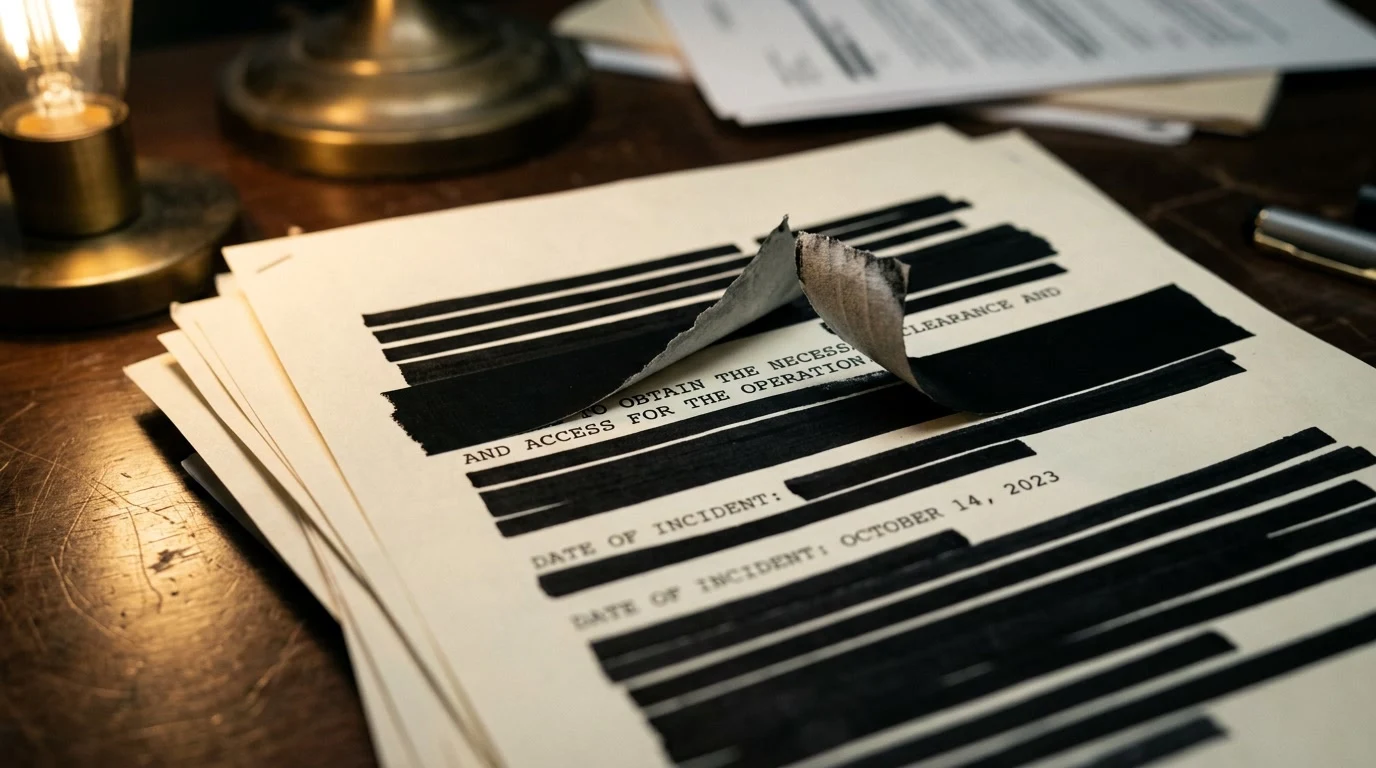
The exemptions are permissions, not commands. Here is what each one covers, how the foreseeable harm standard narrows them, and the deadlines and appeal routes that decide whether a request produces records.
In a newsroom where the editor covers her own church's fundraiser, the policy that works lists real local entanglements, sets a disclosure habit, and names who decides — in two pages.
The line is the reporting: facts are shareable, the work that gathered them is not, and crediting the outlet that did the digging is both ethics and self-interest for small newsrooms.
The coverage is shaped before anyone leaves the building: staffing in pairs, safety gear decided, arrest protocols agreed, and the story's focus fixed on what the protest is about.
Full anonymity is a specialist skill; the baseline is not — device updates, a password manager, two-factor hardware, encrypted source channels, and a threat model written on one page.