A source slides a folder across the table. Inside is the record that proves the story: a contract, a memo, a permit, a bank statement. Before you publish a word, you need to know whether the document is real.
Authentication in the field is a skill, and it follows a repeatable process. This guide walks through that process, from the first look at the paper to the final check before publication.
Start From the Discipline of Fact-Checking
"Fact-checking is the process of verifying the factual accuracy of questioned reporting and statements." That definition, from the Wikipedia entry on fact-checking, applies with extra force to documents. A record is just a claim until you test it.
The entry notes that checking "can be conducted before or after the text or content is published." For documents, always choose before. The page calls this ante hoc fact-checking, which "aims to identify errors so that the text can be corrected before dissemination, or perhaps rejected." A rejected fake costs you nothing. A published one costs you the audience.
Interrogate the Document Itself
Start with the physical details. Does the paper, the font, or the layout match other records from the same office and era? Do logos, page numbers, and signatures sit where they should? Anything odd becomes a question to ask out loud. Readers following this should also see What an AI-Disclosure Policy Should Tell Readers — and What It Should Never Say.
Then test the inside for consistency. Dates should line up with events you already know. Names should match spellings used in other records. Totals should add up. A genuine document rarely contradicts itself, so a single mismatch deserves a full stop.
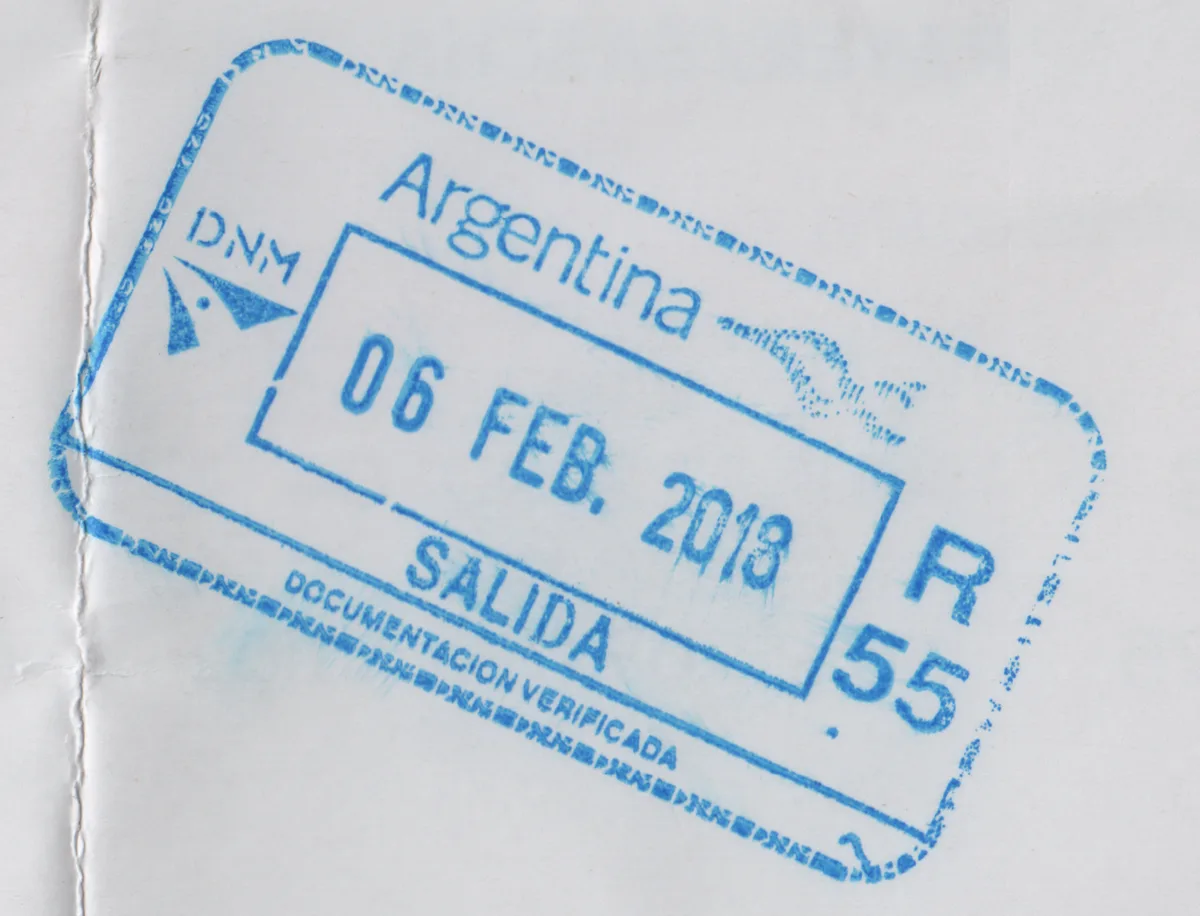
Photograph every page before you handle the folder too much. Work from copies, and keep the originals safe. If the source wants the papers back, scan them all first, including the boring parts. Blank pages, staples, and envelopes can carry clues of their own.
Confirm Outside the Paper
Go back to the issuing office and ask whether the record is genuine. A records clerk can confirm the details or flag a forgery. If the office will not talk, look for a second document that confirms the first.
Talk to the people named in the record as well. Ask each one simple questions about dates, amounts, and events. Their answers will either build a wall of agreement or expose the cracks. Neither result is a dead end; both tell you where the story stands.
Learn From the History of the Craft
You are not the first reporter to fight for accuracy. Wikipedia's history of the practice credits "the establishment of Associated Press in the 1850s," where the push for short, factual material raised standards, and Ralph Pulitzer's "Bureau of Accuracy and Fair Play" at the New York World, set up in 1912. It also recalls "the famous fact-checking department of The New Yorker." That lineage carries a lesson: verification is old, deliberate work, never a box to tick on deadline.
Write Down How You Verified
Keep a verification log as you work. Note who you called, what they said, and what you compared. If a lawyer, an editor, or an angry subject challenges the story later, your notes answer for you.
Stay careful about where documents come from, too. The same entry warns that "the rapid spread of misinformation and conspiracy theories via social media" now presses on mainstream outlets. A record that arrives by direct message deserves the same scrutiny as one handed to you in person, and often more. We covered a connected angle in The Pre-Publish Verification Checklist a One-Person Desk Can Run.
Conclusion: Slow Down Before You Publish
Authenticating a record is rarely fast, and that is the point. Fakes count on rushed newsrooms. Work the process: examine the object, test the contents, confirm with the issuer, and log every step. If the record survives, publish with confidence. If it does not, you just avoided a correction, and possibly a lawsuit.