Since the first major publisher-AI licensing deals became public in 2023 — News Corp, the Associated Press, the Financial Times, and Axel Springer among the early named signatories — the deal flow has continued, and the honest summary of what is known is short: money has flowed, amounts are mostly undisclosed, and the long-term effect on referral traffic and brand value is unknowable at contract length. What a newsroom leader can control is the contract. The questions below are the ones media-law commentary and newsroom-union statements have converged on since the deals began.
What is being sold, exactly?
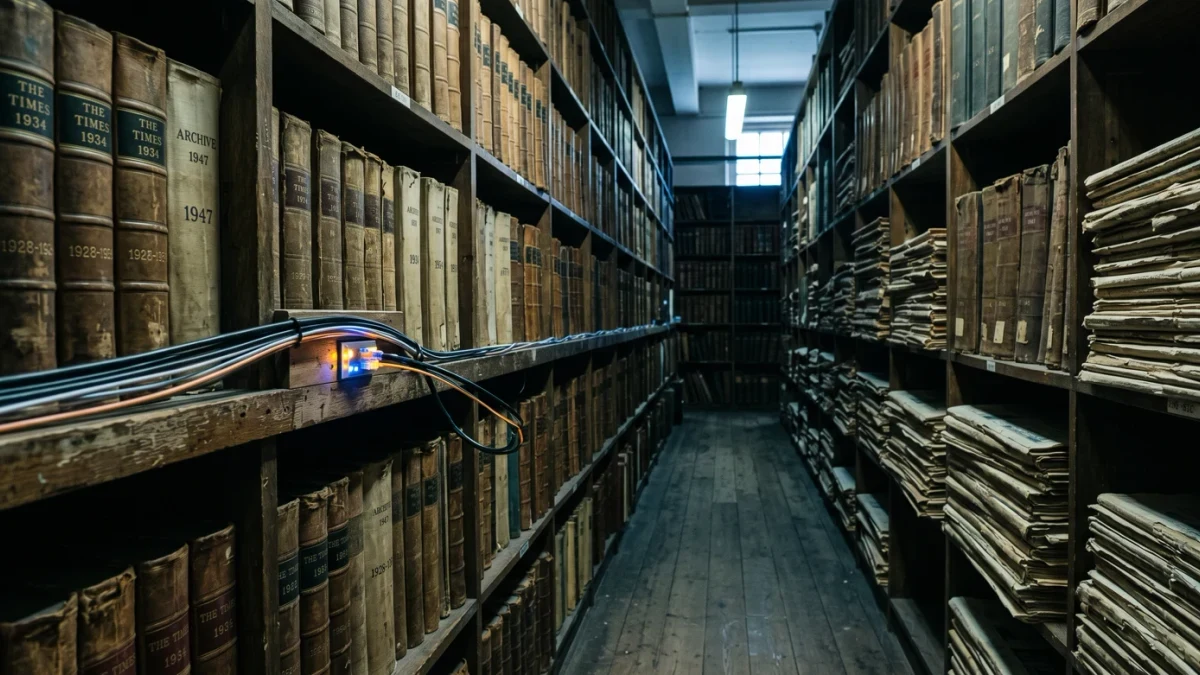
Precision about the licensed corpus: which archive, which date range, which languages, and — the load-bearing clause — whether the license covers training, real-time retrieval, surfacing answers, or all three. A deal that trains the model on the archive but does not license retrieval answers a different economic question than one that does, and conflating them is how a newsroom discovers, years later, that it sold the training rights for the price of an API. The scope clause also determines the attribution question: does the developer's product cite and link the outlet, and is that obligation contractual or a courtesy revocable at will?
What happens to the traffic?
The business-model question the deals defer: if answer engines summarize what the outlet reported, the click that funds journalism disappears at scale. The publisher's interest is a measured position — citation with links, prominently enough to convert — and the contract should address it. Questions to put to the counterparty in writing: how will the outlet's content surface, with what attribution, linked how, and measured how? And the internal question: does the deal compensate for the traffic the deal itself may displace? An honest deal price includes that hedge; most early deals did not, because nobody had the numbers.
Who consents, and who is compensated?
The questions newsroom unions raised from the first announcements: does the archive include freelancers' work, and does the deal's money reach them? Freelance contracts written before 2023 rarely granted AI-training rights, and signing over an archive that includes work the outlet does not fully own transfers a liability, not an asset. The same check applies to wire content, syndicated material, and images. Internally: is there a staff consultation, and — the reputational question — will the newsroom cover AI companies as aggressively after taking one's money? The independence rules are the funder-disclosure rules: publish the deal's existence, its scope, and the firewall.
What are the exit terms?
Deals run multi-year in a field that changes quarterly. The exit questions: term length versus the pace of change; renewal pricing floors, since a first deal that undervalues the archive resets every later negotiation; and what happens to already-trained models on expiry — training data does not un-train, which means the archive's training value is a one-time sale, and should be priced like one. Also worth asking, quietly, what happens in an acquisition: can the license be assigned to a company the outlet would not have chosen?
Should a small outlet sign at all?
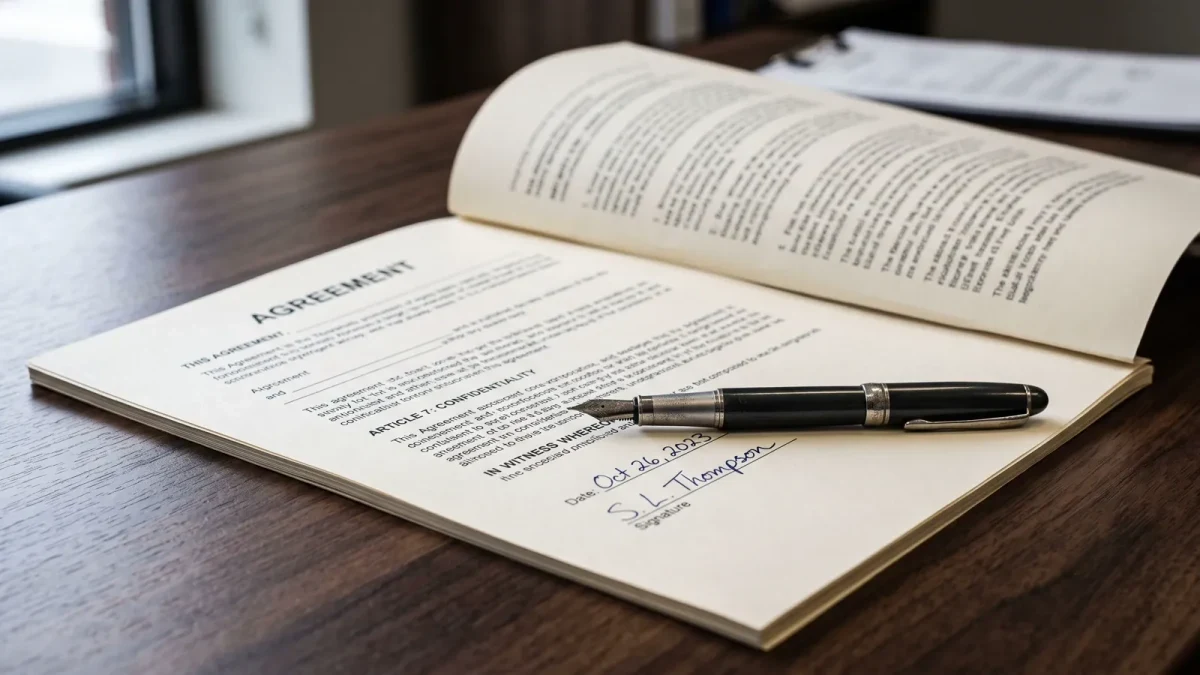
Different calculus from the majors. A small archive's individual bargaining power is thin, which argues for collective approaches — trade-association or press-licensing consortium negotiations that aggregate many outlets' rights — and against solo deals priced on the outlet's inability to refuse. The alternative to licensing is not nothing: technical measures, robots directives, and standing enforcement against unauthorized use are the baseline either way, and the deal is worth considering only when it beats the value of the traffic the outlet keeps by refusing. That is a business judgment with real numbers on both sides, made — like every clause above — in writing, with counsel, before the signature.
Frequently asked questions
Are these deals secret because the amounts are embarrassing?
Mostly because they are commercially sensitive in a young market. But a newsroom's audience-facing disclosure — that a deal exists, with whom, and covering what — is a transparency obligation the outlets that publish their own ethics of disclosure find hard to waive.
Does licensing stop the AI company using our content anyway?
No — copyright enforcement is separate from a license, and unauthorized use remains actionable whether or not a deal exists in other markets. The deal prices permission; it does not buy enforcement in either direction.
What is the one clause small publishers most regret omitting?
Attribution with links, measured and contractual. Money is renegotiable; a product experience that habituates users to answers without sources is not.