Automated transcription has compressed one of journalism's oldest bottlenecks: an hour of recorded interview that once took three or four hours to transcribe now produces a draft transcript in minutes. Newsrooms adopted speech-to-text at scale over the last decade, and the practice guidance that followed — from newsroom toolkits and press-association training — is consistent about where the time savings are real and where the old rules still apply: accuracy checking, source consent, and what never gets recorded at all.
What does the new workflow look like?
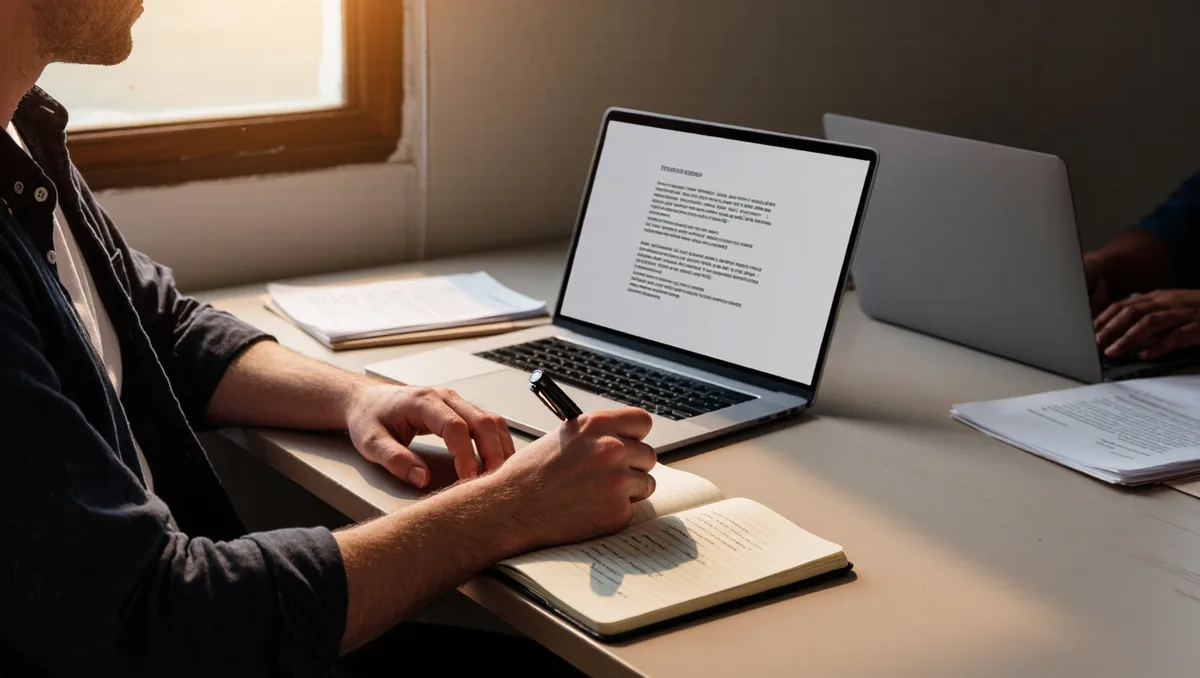
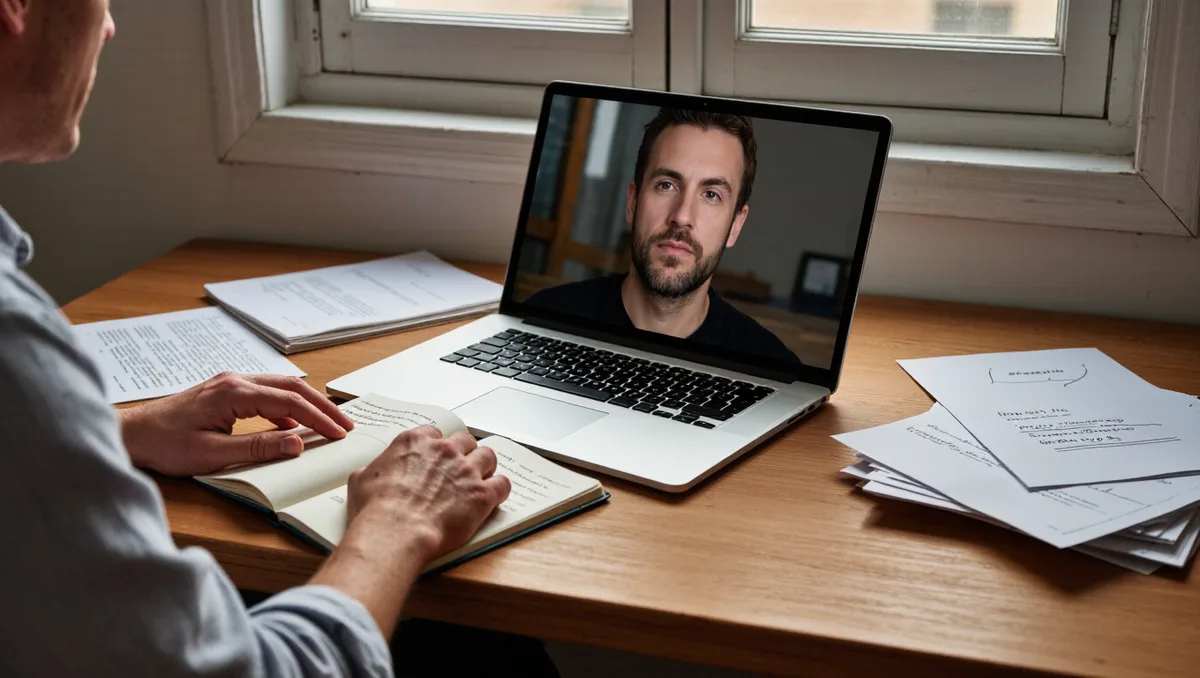
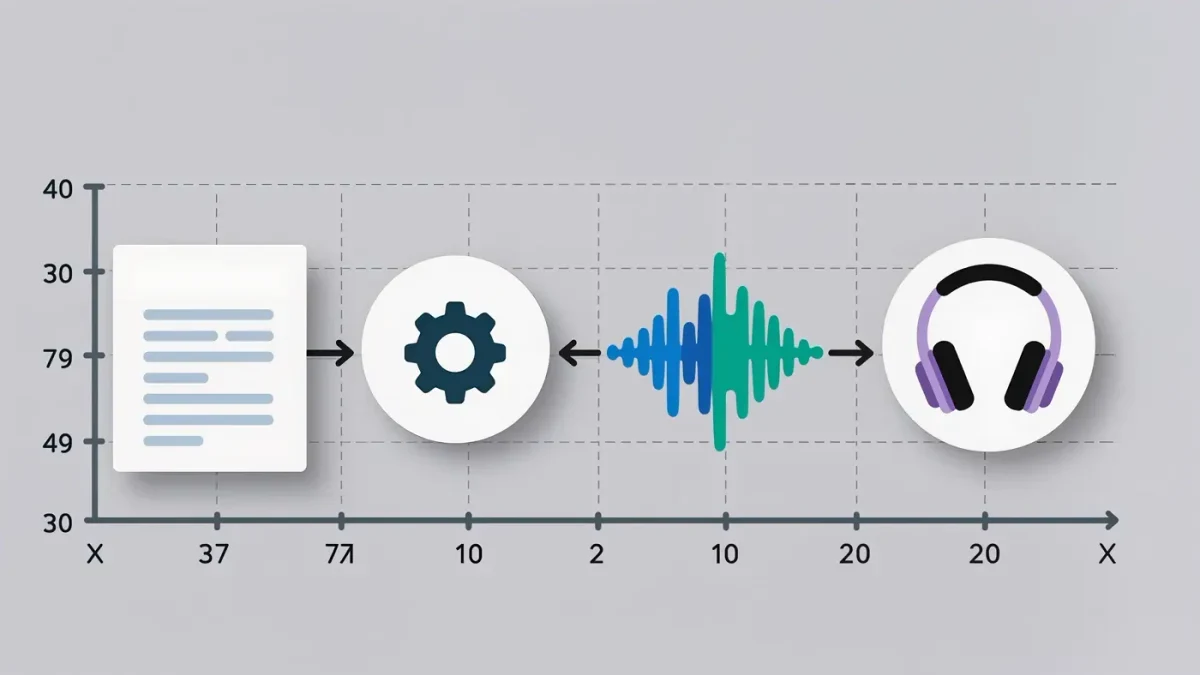
The changed part is the middle of the process. Before: record with consent, as always. During: the reporter interviews rather than transcribes in her head — no more pausing the conversation to scribble verbatim quotes. After: the file goes to transcription immediately after the interview; quotes are verified against audio, not against the machine's guess. The discipline that separates careful newsrooms is the last step — automated transcripts are working documents, and a quote is not exact until the reporter has heard it in the recording.
Where do machine transcripts fail?
The failure patterns are known and worth naming to every new hire:
- Names and places: transcription systems mangle proper nouns, especially non-English names — the single largest source of quote errors.
- Numbers: "fifteen" and "fifty" collapse; every figure gets checked against audio.
- Homophones and dialects: accents the model handles poorly produce systematically garbled text, which is both an accuracy and an equity problem — the readers most affected are the sources least served.
- Speaker labels: attribution errors in automated diarization put quotes in the wrong mouth.
What about consent and recording law?
Consent practice has, if anything, tightened. When a phone app transcribes and sometimes processes calls in the cloud, reporters must say what is happening with the recording: that the call is recorded, and — where the tool's terms send audio to third-party processors — that it is being transcribed by a service. Recording-consent law differs by U.S. state — one-party versus all-party consent — and cloud processing adds a data question on top of a legal one. Newsroom policy should name the approved tools precisely, so no reporter improvises with an app whose terms she has not read.
What should never be recorded regardless of tooling?
The same categories as before, now with sharper edges: sources at risk whose voices are identifying, background conversations in private settings, and anything a source asks to be off the record — which the reporter should honor by not recording at all, because a deleted file is a promise while an unmade recording is a certainty. Sensitive-source interviews also argue for local, offline transcription where the audio never leaves the machine; press-freedom organizations' digital-safety guidance recommends exactly this for source-protection work.
How should a small newsroom choose a tool?
Four criteria in order: where the audio is processed (local or which cloud, under what terms), accuracy on the accents your sources actually speak, export format (something searchable your archive can hold), and cost model that fits interview volume. Then test the winner against one long, noisy interview with difficult names before adopting — the demo file vendors use is never representative, and the newsroom's own tape is the only benchmark that counts.
Frequently asked questions
Can reporters quote directly from an automated transcript?
Not until the quote is checked against the audio. The transcript is a finding aid; the recording is the record.
How long should recordings be kept?
Long enough to verify published quotes and handle corrections — newsroom policies typically retain interview audio for a defined period, then delete on schedule. The defined part matters more than the number.
Do transcription tools help with meeting coverage?
Yes — public meetings on the record are ideal use cases, with a caveat: the meeting's own recording or minutes remain the citable record, and the automated transcript is checked before any official's words are quoted.