Small newsrooms choose open-source publishing tools because ownership compounds: the site, its design, and its archive belong to the outlet rather than to a vendor's pricing page. WordPress now runs a large share of the public web including many news sites, and newsroom-specific platforms built on it — Newspack, launched in 2019 with backing from Automattic and Google's News Initiative, is the documented example — packaged the publishing stack small outlets kept rebuilding: fast pages, newsletters, subscriptions, and donation flows. The economics are not that open source is free; it is that the money buys the outlet's own infrastructure rather than a lease on someone else's.
What does ownership actually buy?
Three things a closed platform withholds. Portability: the content lives in open formats any future contractor can migrate. Continuity: if a vendor folds or reprices, the site does not disappear with the contract — a lesson several newsroom networks learned the hard way when proprietary hosts sunsetted. Auditability: the newsroom can verify what its own site does with reader data, which matters more each year for outlets asking readers for trust and money simultaneously.
What are the honest costs?
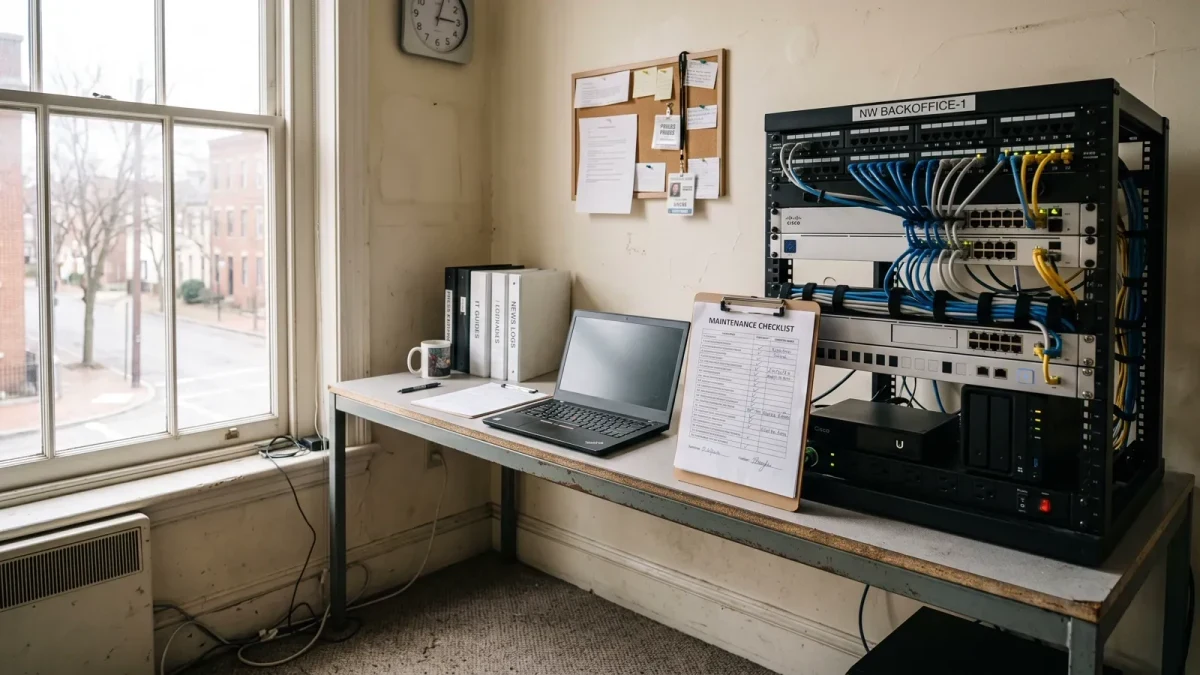
Open source removes license fees, not work. Someone must update the software — security releases arrive monthly across the stack — run backups, and fix the things that break. The realistic models for a small outlet are three: a managed host specialized in newsroom WordPress, which restores most of the turnkey experience while keeping the software open; a part-time contract developer on retainer; or, least advised, an editor's spare hours. The failure pattern to avoid is the unloved install — outdated plugins on a forgotten server is the least secure posture in publishing, and small newsrooms are not too small to be automated attack targets.
How should a non-technical newsroom choose?
Choose the community, not the features. A healthy open-source project shows recent releases, a public issue tracker with responses, and other newsrooms of your size using it — all verifiable before any commitment. Then test the exit before the entrance: export the demo site's content, and confirm the export is complete and readable. A tool whose export works is a tool the newsroom can leave, which is the quiet definition of ownership.
What about newsletters, subscriptions, and donations?
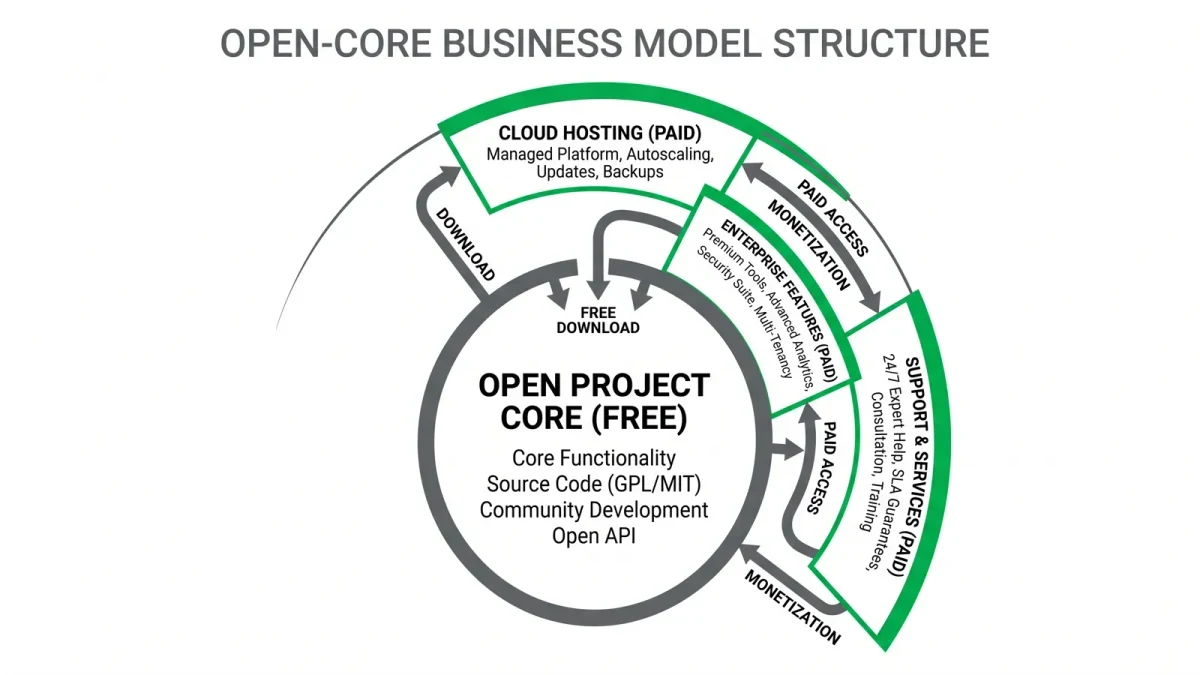
The stack decision and the reader-revenue decision are separable, and the strongest arrangements often mix: open-source site for ownership, a dedicated email vendor for deliverability, a payment processor the newsroom controls for money. The integration question is whether data flows back — subscriber status, donation history — into systems the outlet can export. Reader-revenue data is the newsroom's most valuable dataset, and it should live where the newsroom can take it.
When is a closed platform still the right call?
When the outlet has no technical capacity and no budget for any of the three support models above, a hosted closed platform with honest export may serve better than an unloved open-source install. The test to apply is the same in every direction: can the newsroom leave with its archive, its design, and its reader data? If yes, the platform choice is a business preference. If no, it is a dependency the newsroom should price into the decision.
Frequently asked questions
Is WordPress secure enough for a newsroom?
Core WordPress is actively maintained; most breaches trace to abandoned plugins and missed updates. A short plugin list on a managed host is a reasonable security posture for a small outlet.
Does open source mean building the site ourselves?
No. Newsroom distributions ship preconfigured. The open-source part is the license and the exit, not a requirement to write code.
How often should a small outlet test its backups?
Quarterly at minimum — a backup that has never been restored is a hope, not a backup. The test is restoring one story with its images to a clean environment.