Community gardens feed families with fresh produce, but their bigger output is harder to weigh: the connections between neighbors who would otherwise never meet. A shared plot gives people a reason to show up weekly, a job everyone can do, and a harvest nobody earned alone. That is why organizers, librarians, and reporters keep treating garden beds as civic infrastructure, not just agriculture.
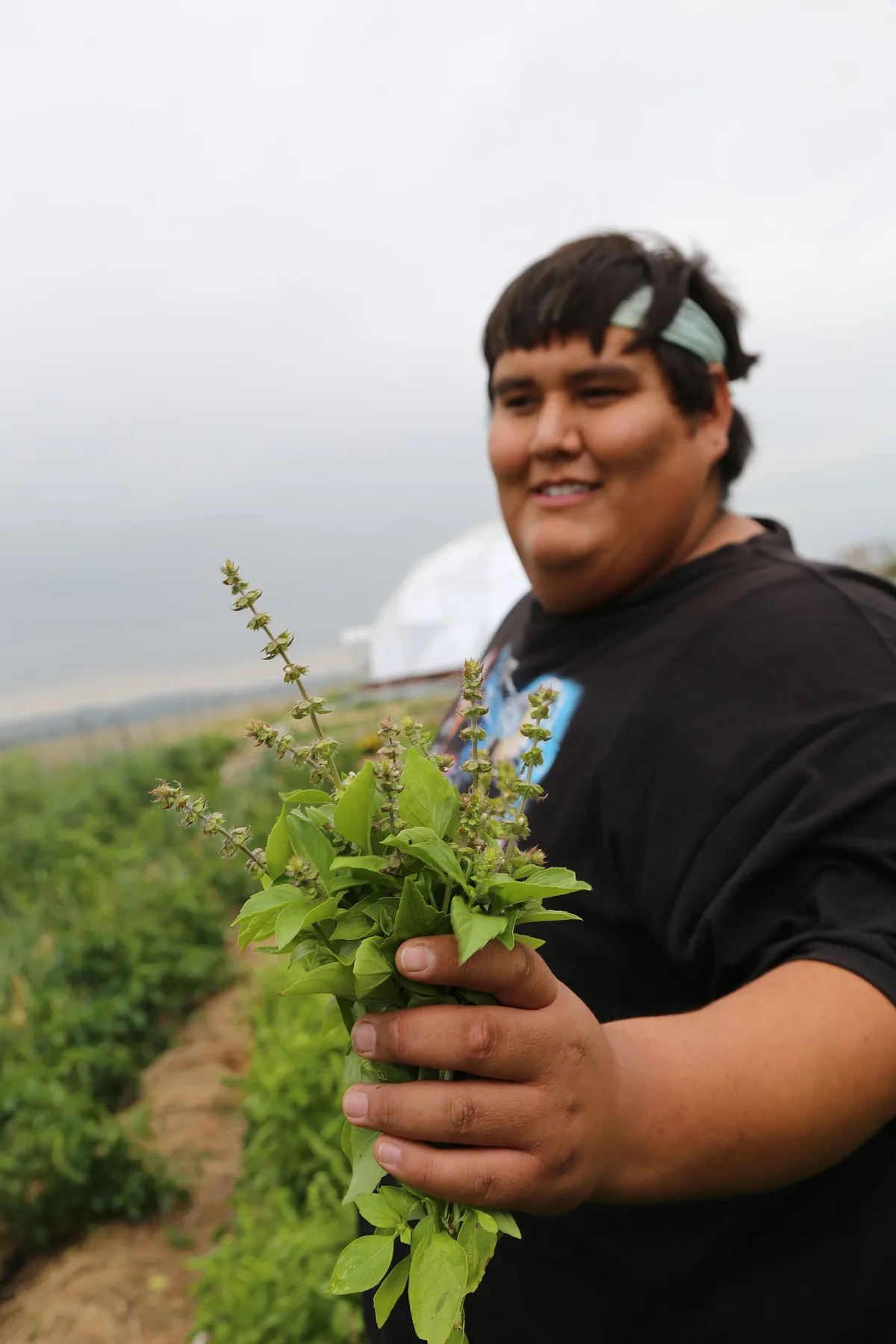
The food matters most where grocery options are thin. In neighborhoods far from a full-service store, a garden plot can put tomatoes, greens, and herbs within walking distance for households that lack both transportation and time. The produce is real. So is the practice of deciding, together, what gets planted and who gets first pick.
This piece looks at what community gardens actually do for food access and connection, what they cost to run, and what a reporter or an organizer should check before declaring one a success. The evidence here is structural, drawn from how these projects work, not from any single garden's ledger.
What does a community garden actually provide that a food pantry doesn't?
A pantry distributes food that someone else chose, bought, and hauled. A garden lets households grow their own, which changes three things at once: cost, choice, and dignity. A family that harvests its own greens does not stand in a line, does not explain a need to anyone, and does not take what is available when what it wanted was something else.
The two models also run on different clocks. A pantry responds to a shortage this week. A garden builds capacity over a season and over years, in the form of soil knowledge, saved seed, and gardeners who teach the next gardener. Both matter. They are not substitutes.
There is a third output neither model promises: the gathering itself. Garden workdays pull together retirees, teenagers, new arrivals, and the neighbor three doors down whose name nobody knew. In towns across the country, the same civic muscle shows up elsewhere. In Mansfield, Texas, for example, organizations across the Dallas-Fort Worth area, including Arlington, Dallas, and Mansfield, hosted back-to-school events offering free backpacks, school supplies, shoes, haircuts, and health screenings, according to FOX 4 Dallas-Fort Worth. Gardens plug into that same network of local institutions that show up when the market doesn't.
How does a garden become a hub for connection rather than just cultivation?
The difference is design. A garden with individual locked plots produces gardeners. A garden with shared beds, a bulletin board, a bench, and a harvest table produces neighbors. Organizers who want connection build for it deliberately.
The practices that work are simple and repeatable:
- Shared space alongside private plots. A common bed gives everyone a reason to talk, even on days their own plot needs nothing.
- A visible job board. "Water the seedlings" and "fix the gate" are tasks a visitor can do on a first day. Belonging starts with being useful.
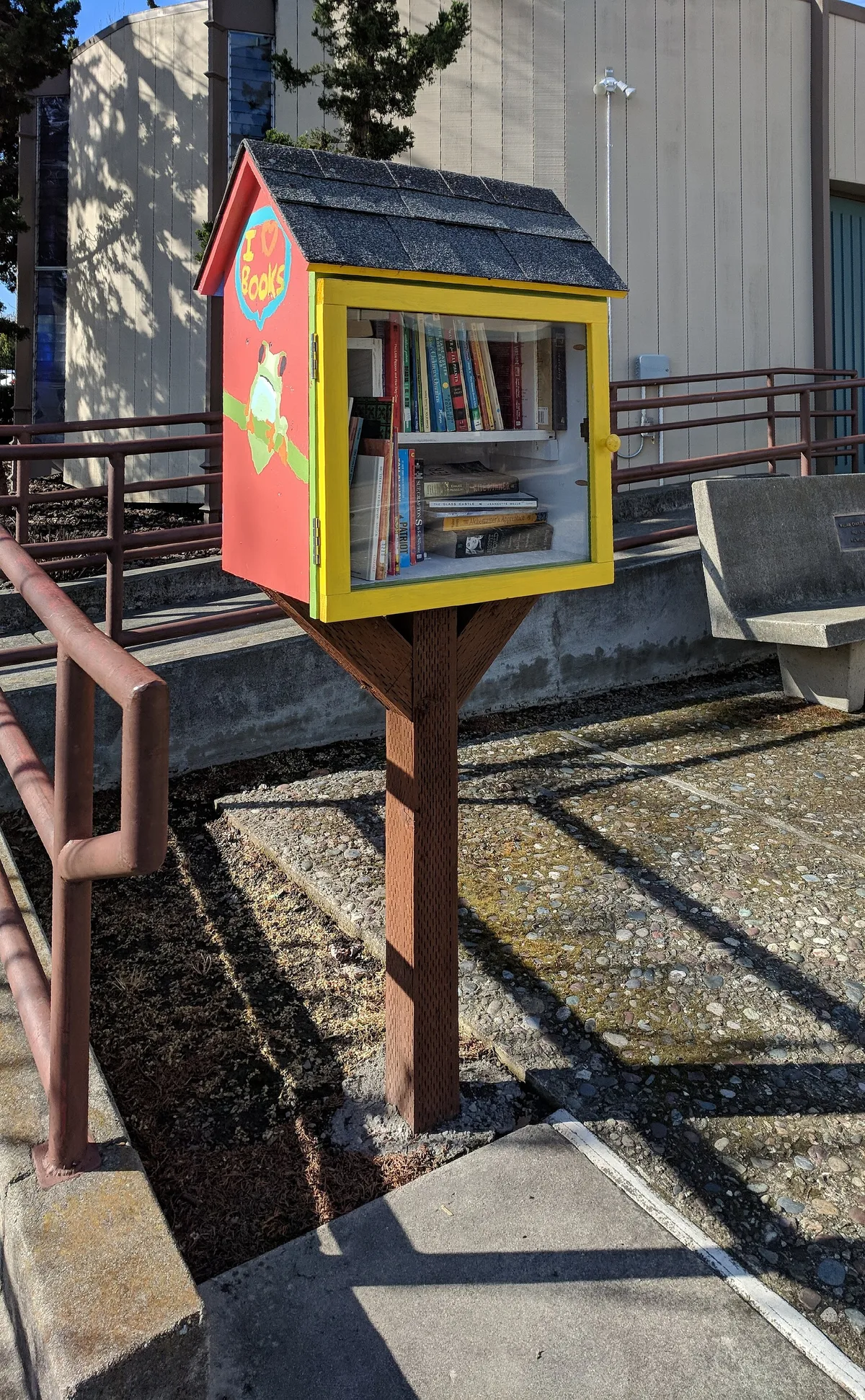
- A give-away table. Extra zucchini left out for anyone passing by turns the garden from a club into a public good.
- Partnered events. Story hours with the library, seed swaps with a garden club, tastings with the school — each one imports a different crowd.
None of this requires funding. It requires someone who treats the fence line as a front porch.
What does it actually cost to run one — and who pays?
The honest answer: the money is small, and the fight over it is not. A garden's cash costs are water, soil amendments, tools, seeds, insurance, and repairs. The heavy currency is labor and land. Someone has to secure permission to use the lot, and that permission — from a city, a school district, a church, or a private owner — is the single most fragile piece of the whole project.
Funders vary, and the funder behind any garden model should be named every time it is discussed. Some gardens run on a municipal parks budget. Some sit on church or school land with an in-kind agreement. Some charge modest plot fees that cover water. Each arrangement carries different risks: a change in city priorities, a congregation's decline, a property sale can all end a garden overnight. The durable ones tend to have a written agreement and a local group that owns the relationship, not just one founder.
Our analysis of how these projects hold up points to one pattern: gardens survive on documented permission and shared labor, not on enthusiasm. Enthusiasm starts them. Paper keeps them.
What should a reporter check before writing a garden success story?
A garden profile can slide into sweetness fast. The checks that keep it honest:
- Who owns the land, and what does the agreement say? Get the lease, the resolution, or the minutes that authorize the use.
- Who is the funder, and what did it require? A grant with conditions shapes what the garden can and cannot do.
- Who actually holds plots? Ask for the plot roster or waitlist. A garden serving one demographic while claiming the whole neighborhood is a story, not a profile.
- Where does the produce go? Track it — to members, to a pantry, to a school cafeteria. The distribution tells you who the garden really feeds.
- What happens in winter, or after the founder moves? Ask about succession. The answer reveals whether the garden is an institution or a personality.
That last question matters beyond gardens. Any local institution story lives or dies on whether it outlasts the person who started it. The same discipline applies when covering city hall — the agenda packet, not the press release, carries the real decision, as anyone who has learned to turn city council meetings into accountability journalism already knows. We covered a connected angle in How to Turn City Council Meetings Into Accountability Journalism.
What are the limits of the garden-as-civic-engine story?
Say it plainly: a garden is not a food system. It cannot replace a grocery store, a working transit line, or an income. A neighborhood where the only fresh produce grows in six raised beds has a problem the beds cannot solve. Treating a garden as proof that a food-access gap is handled is exactly the kind of feel-good coverage that lets a real shortfall off the hook.
The honest framing is that gardens are a supplement and a signal. The supplement is produce, exercise, and a few hundred dollars of groceries a season for participating households — a figure that varies so widely by climate, plot size, and skill that any single number would be a guess. The signal is that neighbors will organize when given a plot, water, and permission. That signal is worth reporting, because it tells a city council something about demand.
It is also worth connecting to the wider question of who gets covered at all. Places that lost their local paper lose the profiles that would ever have noticed the garden, the pantry, or the church basement where the seed swap happens. What a news desert measures — and what it misses — is precisely this layer of civic life that only shows up when someone is assigned to look, a tension explored in What a News Desert Actually Measures — and What It Misses.
Where local roots go from here
The evidence supports a modest, useful conclusion. Community gardens reliably deliver fresh produce to the households that work them, and they reliably create the kind of repeated, low-stakes contact between neighbors that other institutions struggle to manufacture. What the evidence does not support is the bigger claim sometimes made for them — that a garden can close a food-access gap or rebuild a community on its own. It cannot. It needs the pantry, the store, the bus line, and the coverage.
For practitioners, the takeaway is the checklist: verify the land agreement, name the funder, follow the produce, ask about succession. For organizers, it is the design: shared beds, a job board, an open gate. For reporters, it is the reminder that some of the best local stories are growing in raised beds on a vacant lot — and that the story is never just the vegetables. The roots that matter are local roots, and they hold more than soil.