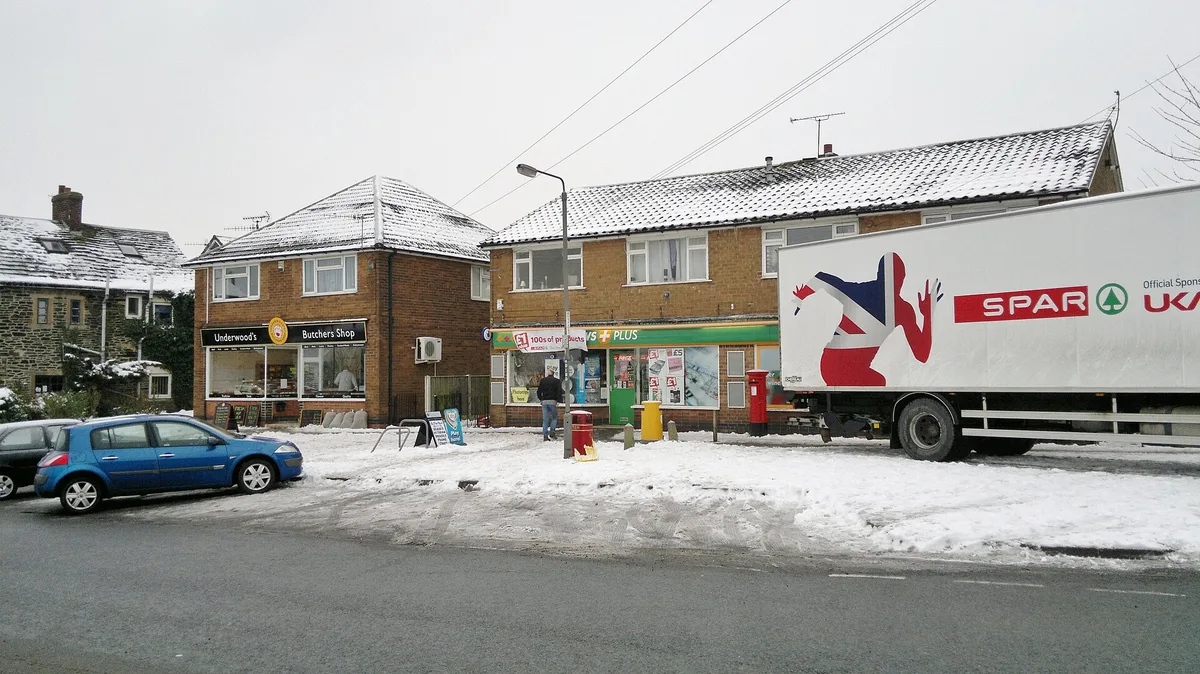
Weather preparedness works best when it follows the calendar, not the headline. Each season brings a different risk to your town — ice and power outages in winter, flooding in spring, heat in summer, early darkness and downed trees in fall — and each risk calls for a short, specific list of steps. This guide breaks the year into four checklists you can run before the season starts, not during the emergency.
One habit underpins all of them: know where your local forecast lives. In many communities that is a local TV station's weather desk. For example, WBNG 12 in Binghamton, New York publishes a local forecast, live Doppler radar, and school closings and delays for the Southern Tier — the kind of station-level service that turns a regional warning into something a household can act on. Find your equivalent before you need it.
Why does a local forecast matter more than a national one?
National forecasts cover the whole country well. Local forecasts cover your county. A station meteorologist knows which roads flood first, which neighborhoods lose power in an ice storm, and when a district will call a snow day. That detail is what turns a watch into a plan. This connects to our earlier piece, Reporting in a Local Weather Emergency: The Checklist That Runs Before the Storm Does.
So step one, in every season, is the same: identify your local sources and check them regularly. Most local stations now offer apps and live streams alongside broadcasts. Bookmark the radar page. Follow the school closing feed if you have kids. Sign up for county emergency alerts if your local government offers them. None of this costs money, and all of it shortens the time between a warning and a decision.
What should you do before winter arrives?
Winter's main threats are cold, ice, and power loss. The preparation is mostly about heat, light, and communication when the grid is down. Run this list in early fall, before the first freeze:
- Put together a basic outage kit: flashlights, batteries, blankets, a battery radio or a car charger for your phone.
- Check your heating source. If you burn wood or use a space heater, confirm it is in safe working order and that you know how to vent it properly.
- Stock a few days of food and water that needs no cooking, in case the stove is out.
- Know how you will get information without power: a charged battery pack, a car radio, or a neighbor with a generator.
- Learn your town's snow emergency and parking rules before the first storm, so you are not moving a car at midnight.
School closings are the winter signal most families watch. Local stations aggregate them in one place, which is faster than checking each district. If you are new to an area, find that page now.
What does spring preparedness actually involve?
Spring is flood season in much of the country — snowmelt, heavy rain, and saturated ground. The core question is simple: does water flow toward your home? If you are unsure, watch where it goes during the first hard rain.
Practical steps, in general terms: know whether you live in a mapped flood-prone area, and check whether your insurance covers flood damage, because standard homeowner policies often do not. Clear gutters and storm drains near your property. Move irreplaceable documents — deeds, insurance papers, photos — off the basement floor. And identify your evacuation route before you need it, not during the warning.
Spring is also when severe thunderstorms and tornadoes return to many regions. Know the difference in the warnings you hear: a watch means conditions are possible, a warning means it is happening or imminent. Pick your safe room now — lowest floor, interior, few windows — and make sure everyone in the house knows it.
How do you prepare for summer heat and storms?
Heat kills more quietly than storms do. The preparation is less about gear and more about knowing your options:
- Identify where you will go if your home gets too hot — a library, a community center, a relative's house with air conditioning.
- Know who in your household or on your block is most vulnerable: older adults, infants, anyone with health conditions. Heat emergencies often come down to checking on one specific person.
- Watch for local cooling-center announcements. Many towns publish them through the same channels that carry storm alerts.
Summer also brings the year's worst thunderstorms and, in some regions, hurricanes. The same outage kit from winter serves here, plus one addition: water. Fill containers before a named storm arrives, because municipal water and well pumps both fail when power does.
What belongs on a fall checklist?
Fall is the reset season — the window when you fix what the last year exposed and get ready for winter. Three jobs stand out:
- Replace what you used. Batteries, water, any medication or supplies in your kit that expired.
- Trim what will fall. Dead branches overhanging the house or the power line are a fall job, not a January one.
- Update your information sources. Stations change apps, counties change alert systems, and the page you bookmarked last year may have moved.
Fall is also a good time to meet the neighbors you would rely on in an outage. A five-minute conversation in October does more for preparedness than any checklist item on this page.
What this means: make the local connection part of the plan
Our analysis of how households actually get through weather emergencies points to one factor above the rest: speed of accurate local information. The national warning tells you a storm exists. The local forecast tells you what it will do to your street. That is why preparedness and local journalism are tangled together — a community that has lost its local station has also lost a piece of its warning system. We have written about that gap in What the Local News Desert Numbers Actually Show, and about how newsrooms handle the storm itself in Reporting in a Local Weather Emergency: The Checklist That Runs Before the Storm Does.
For your own household, the takeaway is narrower. Build the four seasonal lists into your calendar — one weekend each in early fall, late winter, late spring, and late summer. Keep them short enough that you will actually do them. And treat your local forecast not as background noise but as the trigger for each list. Weather is the most local story there is; preparedness should be just as local.