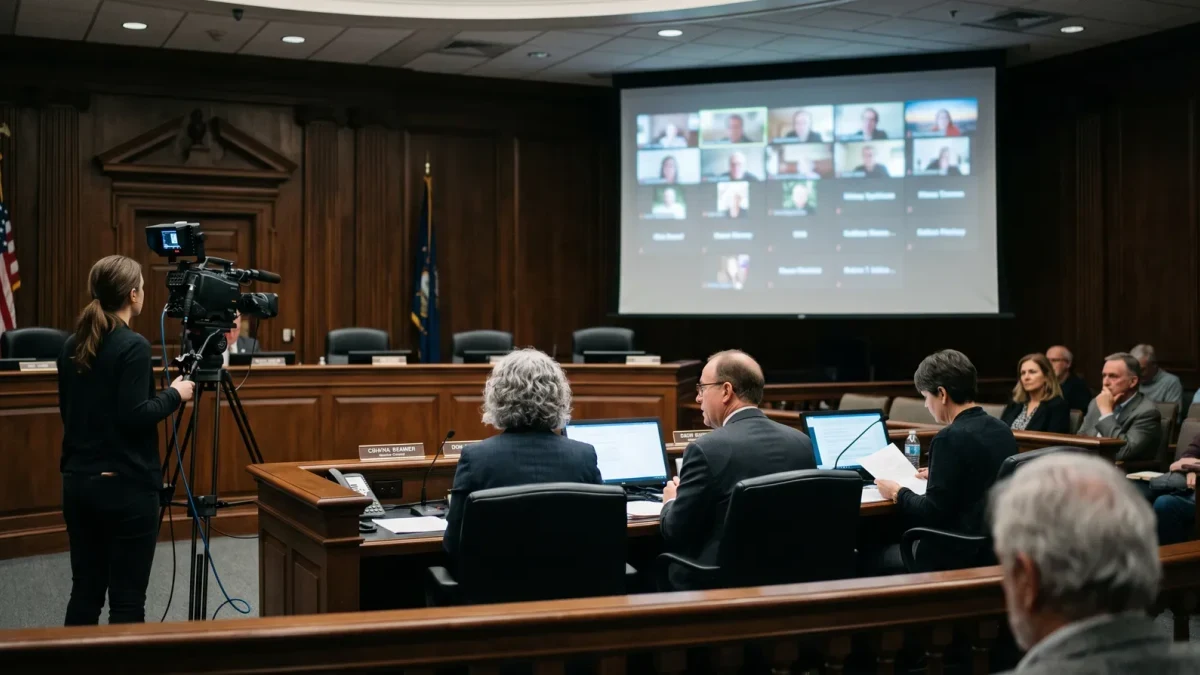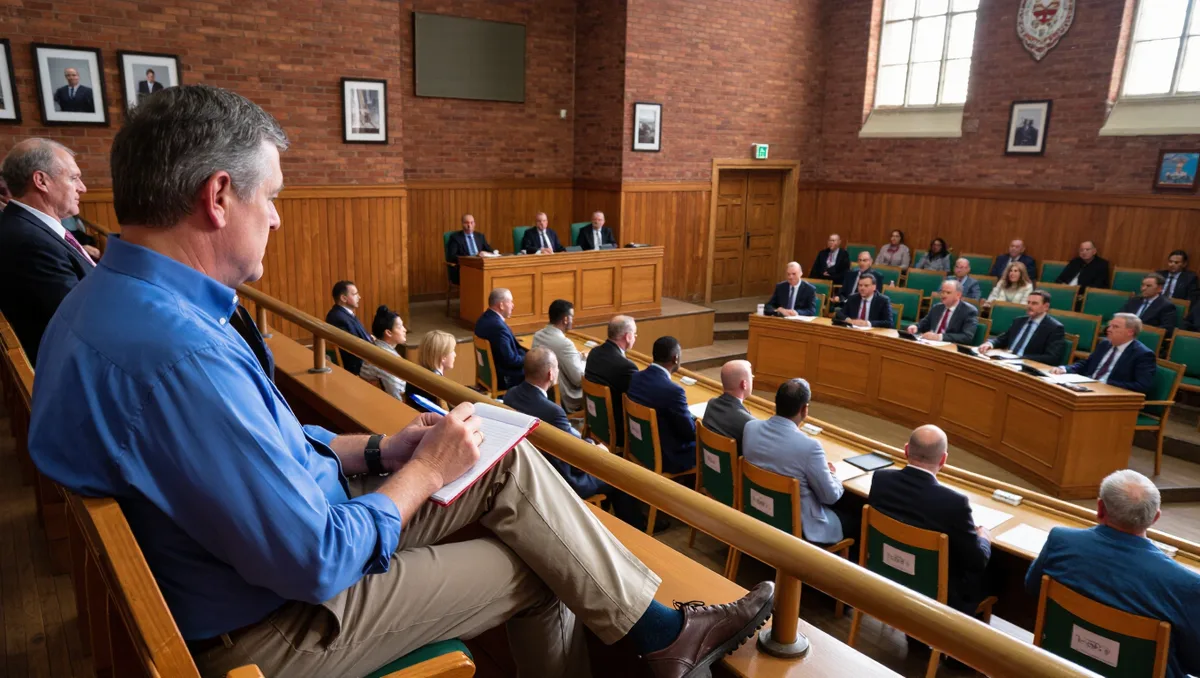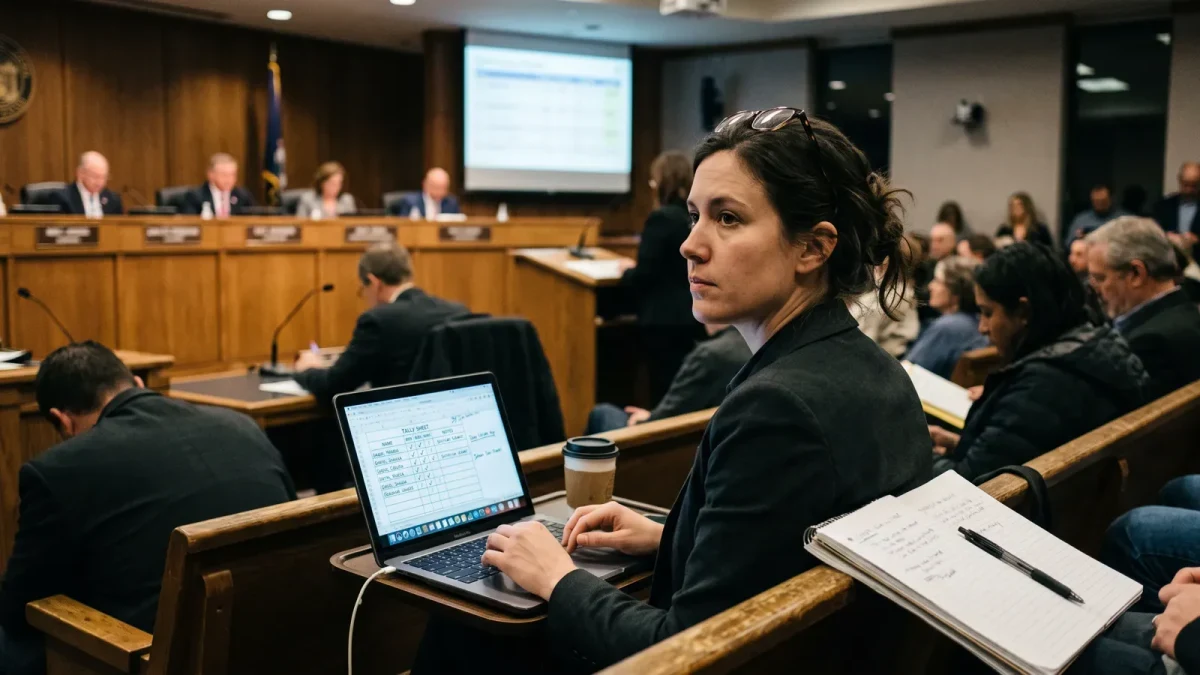
The accountability value of a council meeting is rarely in the meeting. It is in the pattern visible only to the reporter who attends all of them: the abstention that recurs whenever one contractor's name appears, the item slipped onto the consent agenda, the variance requested by the chair's campaign treasurer. The method that turns meetings into journalism is simple to state and demanding to run — track every vote, follow the money behind every item, and revisit decisions six months later to see what actually happened.
What is the working system?
- Attend or review everything. The full meeting, not the summary; video and minutes fill gaps but details vanish there.
- Keep a vote log. A running spreadsheet — member, item, vote — turns individual abstentions into a visible record over a year. Several national outlets' legislative trackers work exactly this way, scaled down.
- Read the consent agenda. Multi-million-dollar items pass without discussion there; pulling one item per meeting to examine is the highest-yield habit in local reporting.
- Follow the disclosure trail. Campaign finance filings and, in many states, officials' statements of economic interest are public — cross-referencing them with vote patterns is the classic accountability mechanism.
- Set follow-ups. Every consequential vote goes into a calendar six months out: did the project break ground, did the hired firm deliver, did the projected savings appear?
How do you spot the story inside a dull agenda?
Three tells recur in accountability reporting practice. Sudden reordering: an item moved late onto or off an agenda usually means someone lobbied between meetings — ask who. Unexplained urgency: "emergency" procurements that skip competitive bidding deserve the question of what the emergency was. And language drift: when a recurring item's description changes — "road improvement" becomes "road improvement and utility corridor" — the scope, and probably the money, changed too. None of these is proof of anything; each is a question a diligent reporter asks with the document in hand.
How do you cover officials fairly while doing this?
Patterns are not verdicts. A recusal may be scrupulousness, an abstention may be a documented conflict properly handled — and saying so when true is what separates a watchdog from a bully. The standard that protects the reporting: every pattern is presented with the official's explanation, sought before publication; documents do the alleging; and the story's claims are calibrated to what the records show, not what the pattern suggests. Defamation risk in local government coverage concentrates precisely in the gap between what a pattern proves and what a story implies — editors should read for that gap specifically.
What if the meeting itself is the story?
Occasionally it is: open-meetings violations, a member's conduct, a public meltdown. Then the coverage rules of hostile-public-meeting reporting apply — document, verify, cover the body's action rather than the noise. The routine craft, though, is quieter: a short running account after each meeting — what was decided, what it costs, what comes next — builds the audience habit that makes the big investigative moment land with readers who already know the cast.
What should readers see of the system?
The tracker, published. A public vote log on the outlet's site — even a simple table updated weekly — converts the reporter's private diligence into a community asset, and it is the kind of reusable database that funders cite when asked what local journalism produces. Transparency about corrections applies: a mis-recorded vote gets the same visible fix as any error.
Frequently asked questions
How much time does the system take weekly?
One meeting, one log update, one follow-up call — roughly a day a week at a small outlet. The compounding payoff is the year-end story the log writes by itself: who voted with whom, on what, for how much.
What if the council stops posting agendas or meets oddly?
Cover that as the story it is — open-meetings law violations are accountability journalism, and state press associations and open-government coalitions maintain guides for exactly these fights.
Do endorsements and vote tracking conflict?
Editorially separable, and outlets should decide which they do consciously. A newsroom that both tracks votes and endorses should wall the operations and disclose the wall; many accountability-minded outlets decline endorsements entirely for this reason.