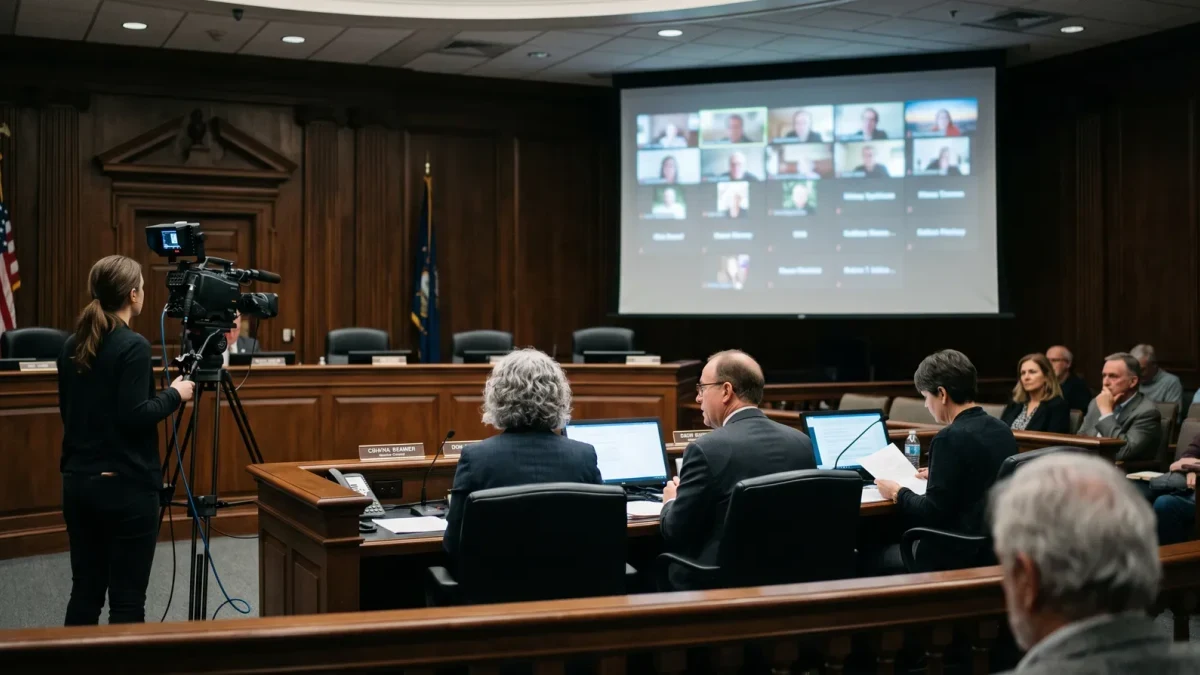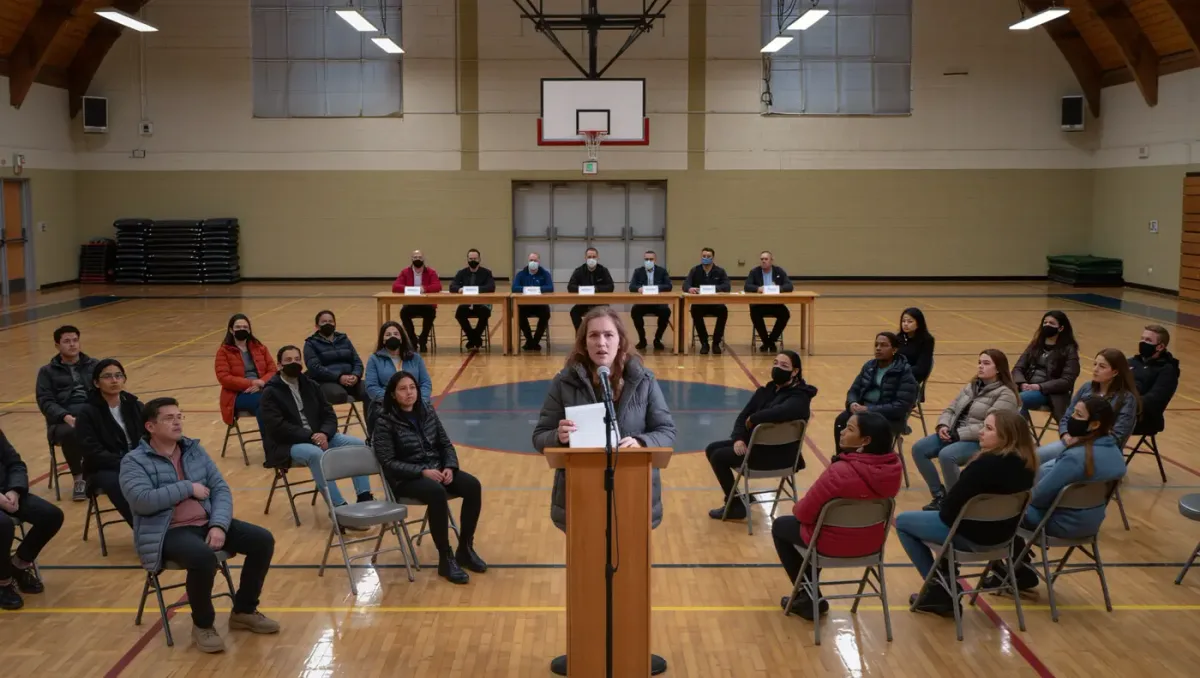
Covering a hostile school-board meeting starts before the meeting: know the agenda, know who the actors are, and decide with your editor what happens if the room turns on the reporter. School-board meetings became the most volatile routine assignment in local American journalism after 2021, when disputes over pandemic policies and curriculum drew national activist attention to rooms that had rarely seen a camera. Newsrooms that have covered these rooms well — the National Press Club Journalism Institute and education reporters' associations have published guidance drawn from members' experience — converge on the same practices: preparation, de-escalation, and a strict focus on what the board actually decides.
What does preparation look like?
Three documents before every meeting: the agenda with the policies up for vote, the previous meeting's minutes, and a one-page cast of names — board members, the superintendent, and the organized groups that attend. Knowing that a speaker is affiliated with a national organization changes the story from "angry parent" to a documented pattern; not knowing turns the same speaker into a viral clip your outlet mishandled. Bring the statutes too: open-meetings laws in most U.S. states give the public, including reporters, rights to record, and knowing the exact local provision is protection when a security guard improvises.
How should reporters behave when the room targets them?
The working rules from published newsroom guidance are consistent:
- Do not argue. A reporter who debates a heckler becomes the story and loses the room's remaining goodwill.
- Document, do not respond: record, note names, and if obstructed, state the legal right once, calmly, then withdraw and call the editor.
- Escalate through the chain: the board's own counsel and district communications staff usually resolve access disputes faster than confrontation at the door.
- Have an exit plan agreed with the desk: when to leave, when to file from the parking lot, and the signal that means the reporter no longer feels safe.
What deserves the headline: the fight or the vote?
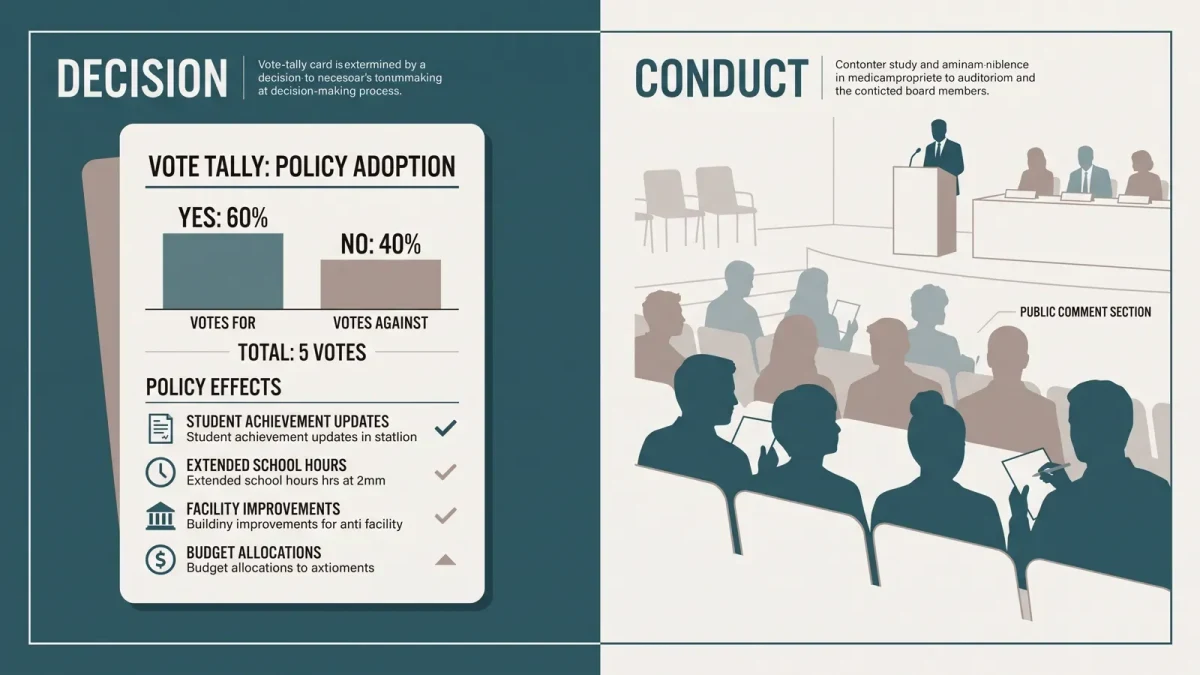
The vote and the policy. Conflict footage attracts attention, but the durable service journalism is the part that affects families: what was decided, when it takes effect, what it costs, and which students it touches. A workable structure separates the two cleanly — a straight story on the decision, filed first, and separate coverage of the meeting's conduct if the conduct is itself newsworthy. Merging them produces stories that read as though the shouting decided the policy, which is exactly the amplification effect careful editors try to avoid.
How do you cover the actors fairly?
The same test applies to every side: claims are checked against district documents, affiliations are disclosed when relevant and verifiable, and no speaker becomes a recurring character for entertainment. Parents who speak at board meetings are private individuals engaging in civic participation — they are named when they make news, but they receive the caution that standard calls for with private people, especially in clips that travel. Board members are public officials; their votes and statements are covered in that register.
What about the reporter's own safety online?
Hostile meetings migrate to social platforms within hours. Newsrooms that handle this well pre-arrange support: the editor monitors mentions during and after the meeting, the outlet's standards for closing or moderating its own comment spaces are decided in advance, and legal support is identified before it is needed. Reporters covering volatile beats should also run a basic digital hygiene pass — outdated personal addresses and phone numbers removed from public pages — before the first assignment, not after the first pile-on.
Frequently asked questions
Should the reporter announce themselves at the meeting?
Yes, and register as press where the district has a sign-in. Being identifiably present is both honest and protective — most confrontations begin with the accusation of hidden recording.
What if the board votes to bar recording?
Report the action, not just the dispute: a public body restricting recording is a story about government transparency, often a bigger one than the agenda item it interrupted.
How much shouting belongs in the story?
Enough to describe the meeting accurately, never enough to become its theme. A useful test: could a reader reconstruct the board's decision and its effects from the story alone, with the conflict paragraph removed?