Housing is the local story most covered in adjectives and least covered in numbers, and the numbers are public: building permits at city hall, county assessment rolls, recorded deeds and mortgage documents, federal Housing and Urban Development datasets, and the Census Bureau's American Community Survey together describe who owns, who rents, what is being built, and what it costs. A reporter with a spreadsheet can run a monthly housing brief that no aggregator will ever duplicate, because the data is local and boring to everyone except the people who live there — which is the definition of a local beat.
What is the monthly routine?
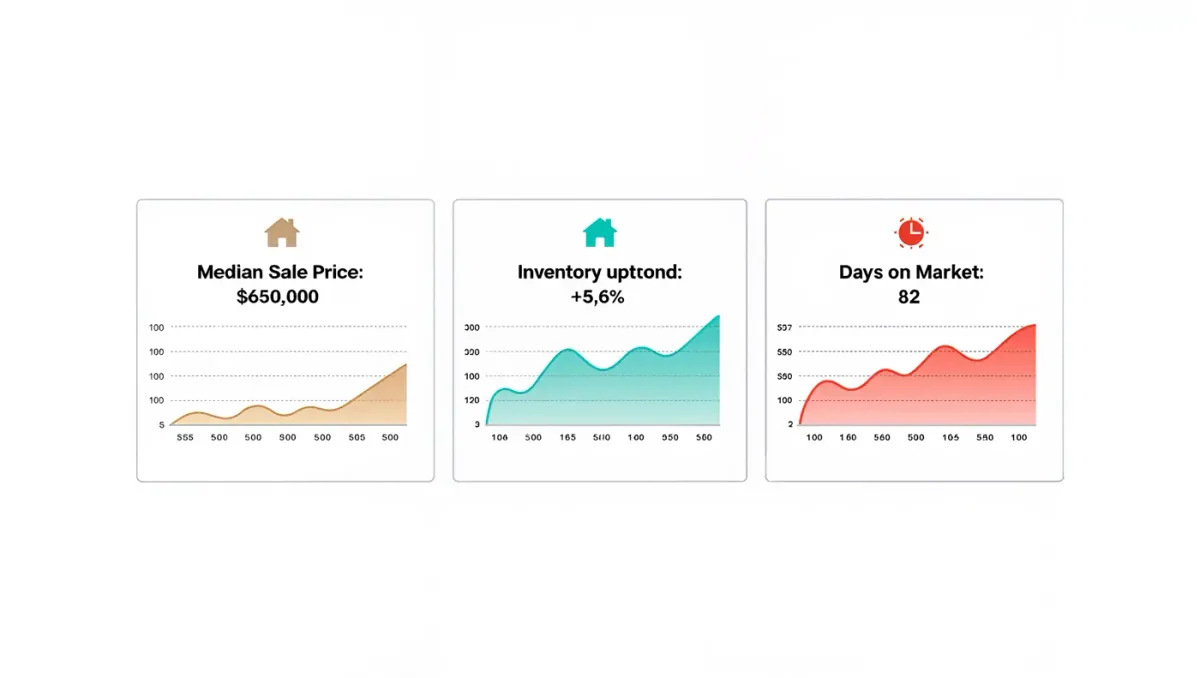
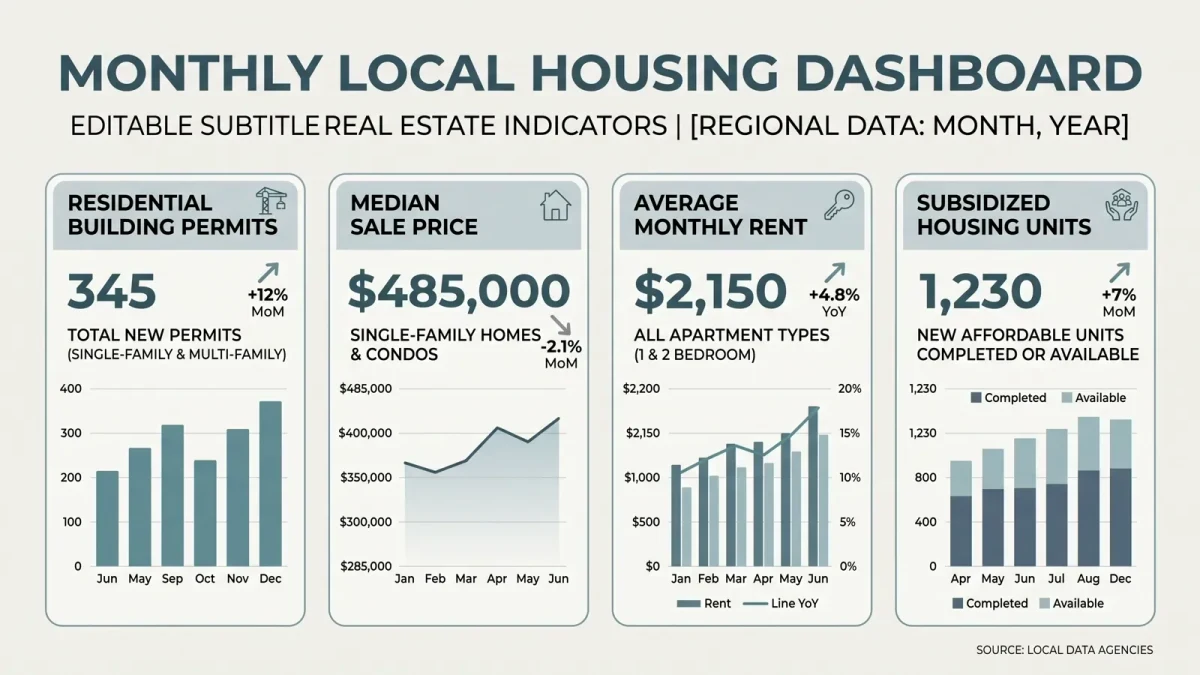
- Permits: pull the month's building permits — new units, renovations, valuations — and compare to the same month last year. The permit list also names who is building, and the names become the source list for every construction story that follows.
- Sales: the county recorder's deed filings give sale prices and buyers; assessment rolls give valuations. The gap between the two is a story in itself — the assessment lag that decides who is over- or under-taxed.
- Rents and vacancy: the ACS provides estimates with margins of error; local listings provide the real-time texture. Say which is which.
- The subsidy layer: HUD's datasets — subsidized properties, fair-market rents, program participation — mark where affordability policy actually operates in the market, and where it expires: the subsidized complex whose restrictions lapse in three years is an accountability story written in a federal spreadsheet.
- The follow-up file: every development approved this year goes on a calendar — did it break ground, did the promised units appear, did the tax abatement deliver?
What are the traps?
The genre has standard errors. Median confusion — medians of small samples move for arithmetic reasons, not market ones; the ACS margin-of-error check that governs all small-area data applies with force. Assessment ≠ market value, and comparing them without saying so produces wrong tax stories. Permit valuation is the builder's declared figure, not the sale price it will become. And the newest trap: algorithmic-pricing narratives imported from national coverage — the local application requires the local landlord-name data that only county records supply, and a story that cannot name the mechanism locally should say what it is, a national trend the market is watching.
How does the coverage stay human?
Data sets the spine; people carry the story. Each monthly brief pairs one number with one household — the assessment jump quantified by the retiree on a fixed income, the permit boom shown in the street where the houses rise. Fairness rules for the affected: tenants facing displacement are private individuals deserving trauma-aware treatment; landlords and developers are business actors whose records are public. And the standing caveat the beat owes readers: housing data describes the recent past, and every market claim should carry its vintage.
What does the beat look like after a year?
The compounding assets: a permit database the outlet owns, a source list of every builder and landlord active in the market, and the follow-up file that converts approvals into outcomes. That archive is what makes the big stories possible — the investigation of the abatement program, the displacement mapping, the election-year claims checked against a year of documented facts. Housing is also where local coverage intersects the revenue conversation most directly: everyone with a roof is interested, which makes the monthly housing brief one of the strongest membership-audience products a local outlet can build.
Frequently asked questions
Where do I actually get the data?
Permits from the city or county building department, deeds from the county recorder, assessments from the assessor — most publish portals or monthly files; HUD and Census datasets are downloadable with documentation. The records-request skills transfer directly where portals fail.
Can I do this without a data journalist?
Yes — the routine is a spreadsheet, not a model. The craft is the comparison and the follow-up file, both of which run on discipline rather than tools.
How do I cover rents when no local series exists?
Be honest about sources: ACS estimates with error margins for the level, listings sampling for direction, and named local property managers for explanation. Triangulated and attributed beats a false single number.