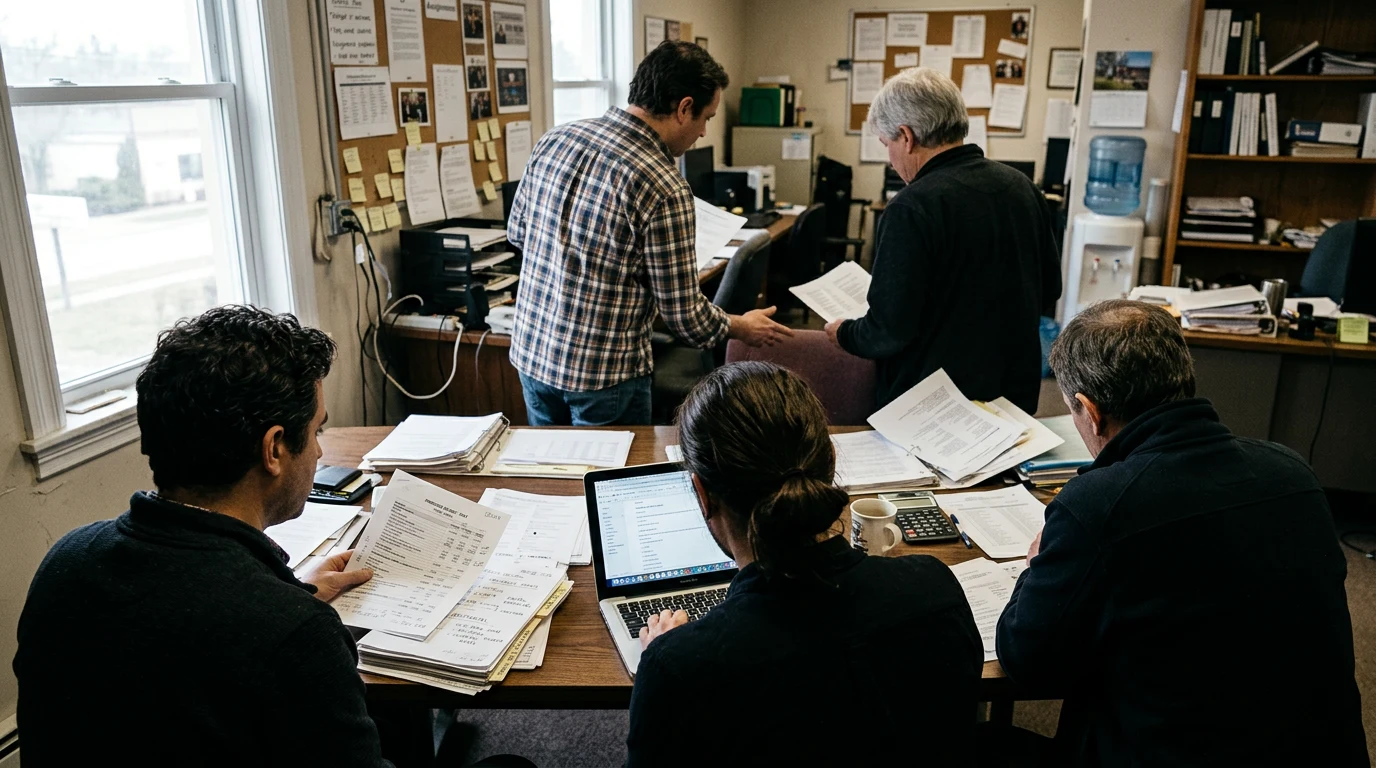
Assessment of what news organizations are building and buying: newsletters, audio, vertical video, membership platforms, automation and audience analytics. Coverage reports adoption, staffing cost and the experiments quietly retired. Aimed at product leads, digital editors and funders evaluating the same proposals.
The philanthropic coalition's pledge moves through three separate channels, and only two of its 44 local chapters were taking applications when this was reported.
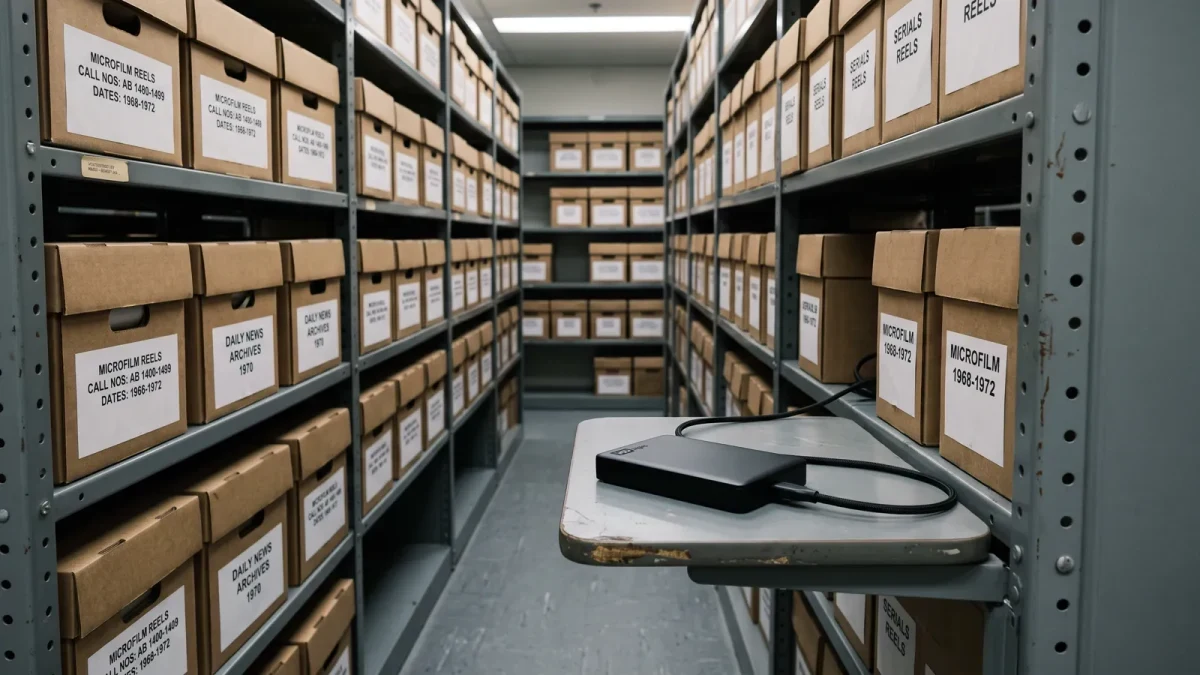
Digital archives die quietly — domains lapse, servers expire — and the community loses its memory; the institutions rescuing them run on standards, deposits, and paperwork done before the end.
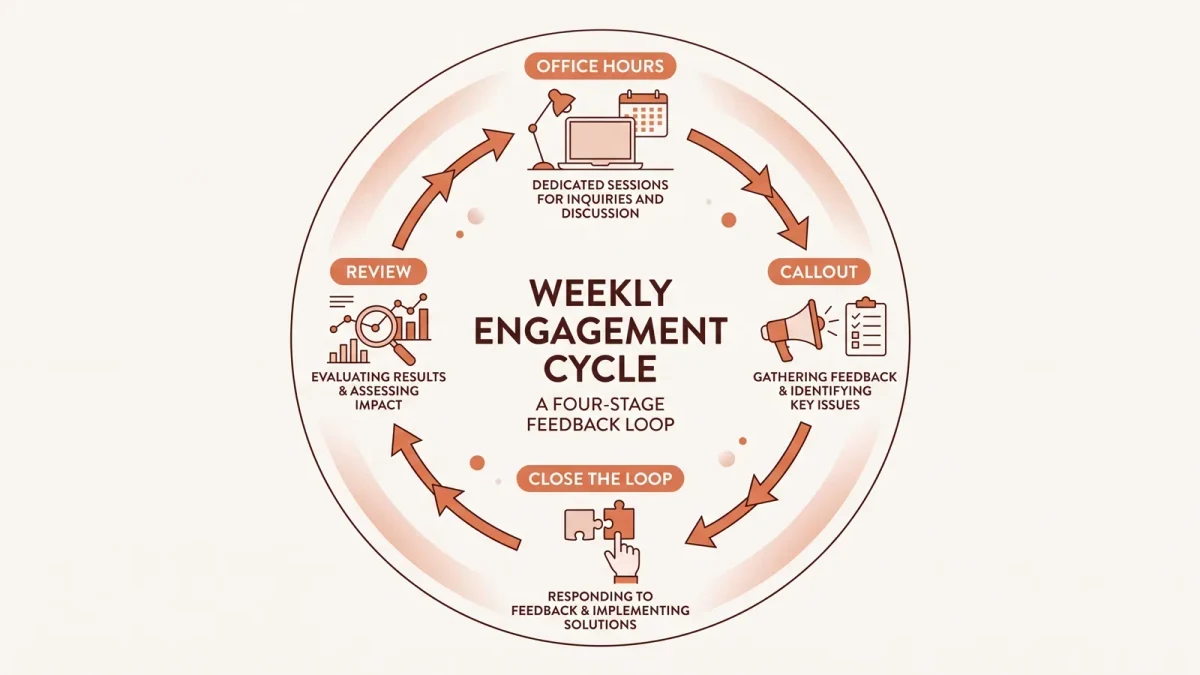
Listening as a scheduled activity — office hours, callouts, and closing the loop — is the whole method; everything else branded engagement is marketing with a nicer name.
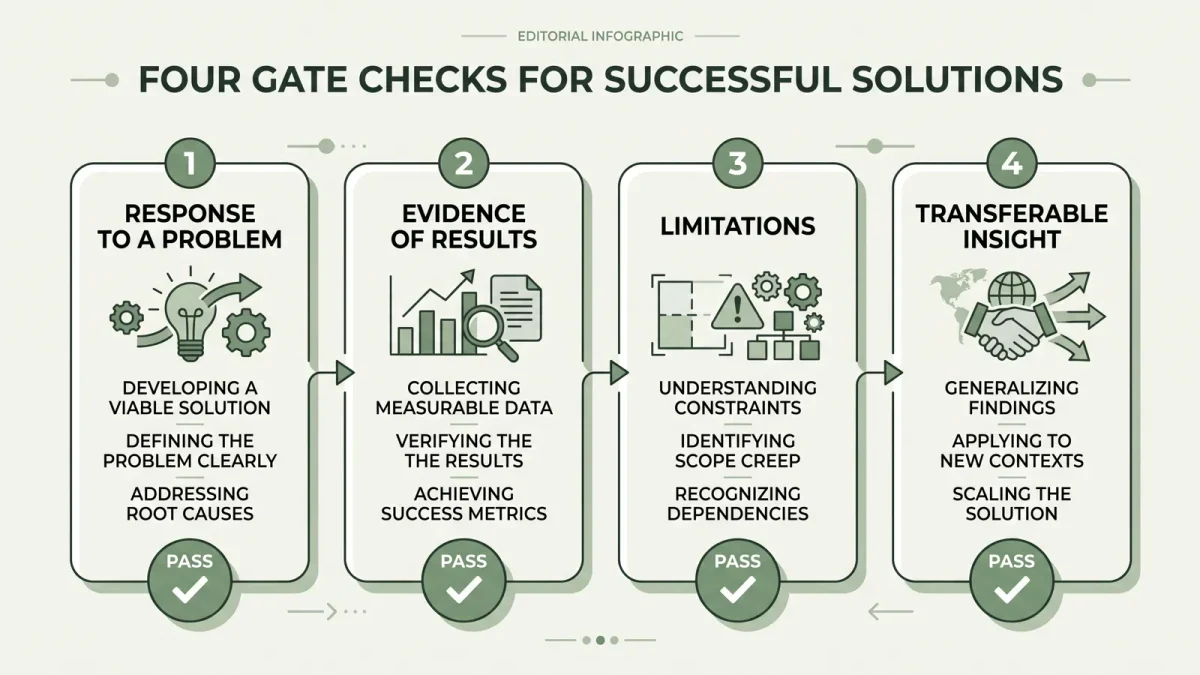
Reporting on responses to problems uses the same evidence discipline as reporting the problems — what changes is the question the desk asks on Monday morning.