Assessment of what news organizations are building and buying: newsletters, audio, vertical video, membership platforms, automation and audience analytics. Coverage reports adoption, staffing cost and the experiments quietly retired. Aimed at product leads, digital editors and funders evaluating the same proposals.
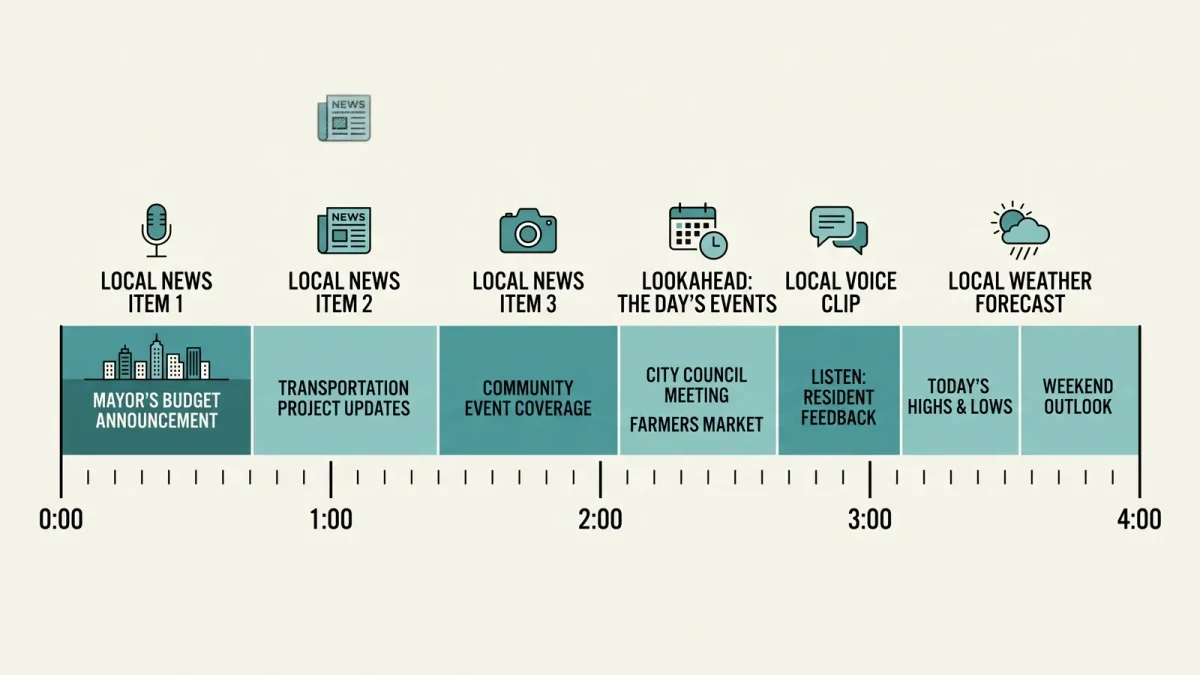
A four-minute daily brief reaches commuters, kitchen radios, and the podcast-habit audience with one recording — the cheapest product a local outlet can make that still feels daily.
Planning around the newsletter instead of the site inverts the newsroom day: sections are written as editions, stories are scheduled into slots, and the site becomes the archive.
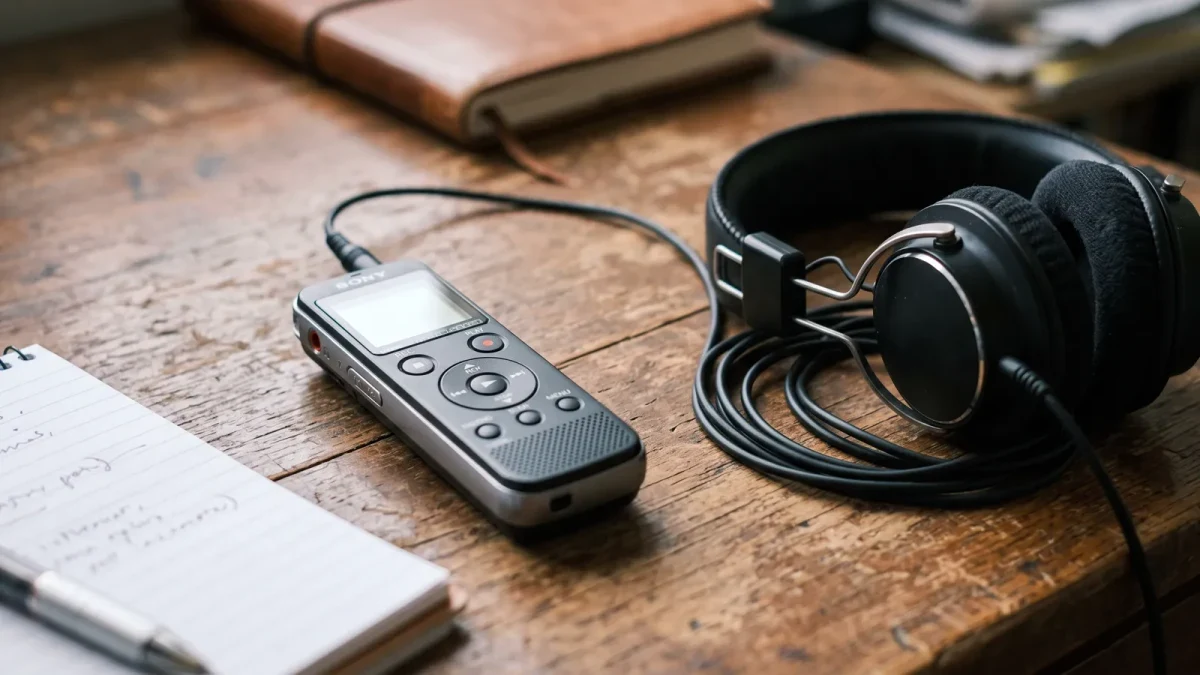
Machine transcription turns an hour of tape into a searchable transcript in minutes; the workflow that protects stories also handles consent, verification, and the interview itself differently.
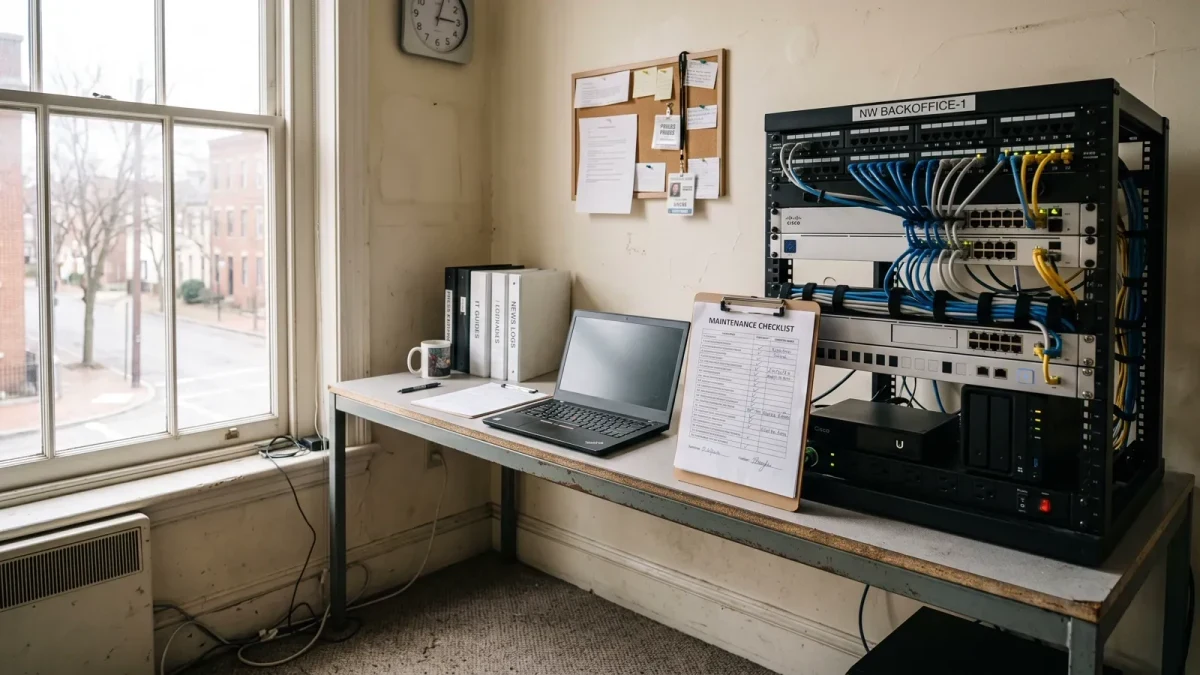
Open-source publishing protects the two things small outlets cannot buy back: ownership of their archive and an exit from any vendor — and the ecosystem now supports non-technical teams.
Collaborative data investigations let small outlets do work none could afford alone — if the partners settle methodology, credit, and embargo rules before the first record request.