Coverage of journalism at city and county level: closures and launches, staffing at surviving papers, the spread of news deserts, and research linking lost coverage to lower turnout and higher municipal borrowing costs. Read by community publishers, local officials and philanthropies funding regional reporting.
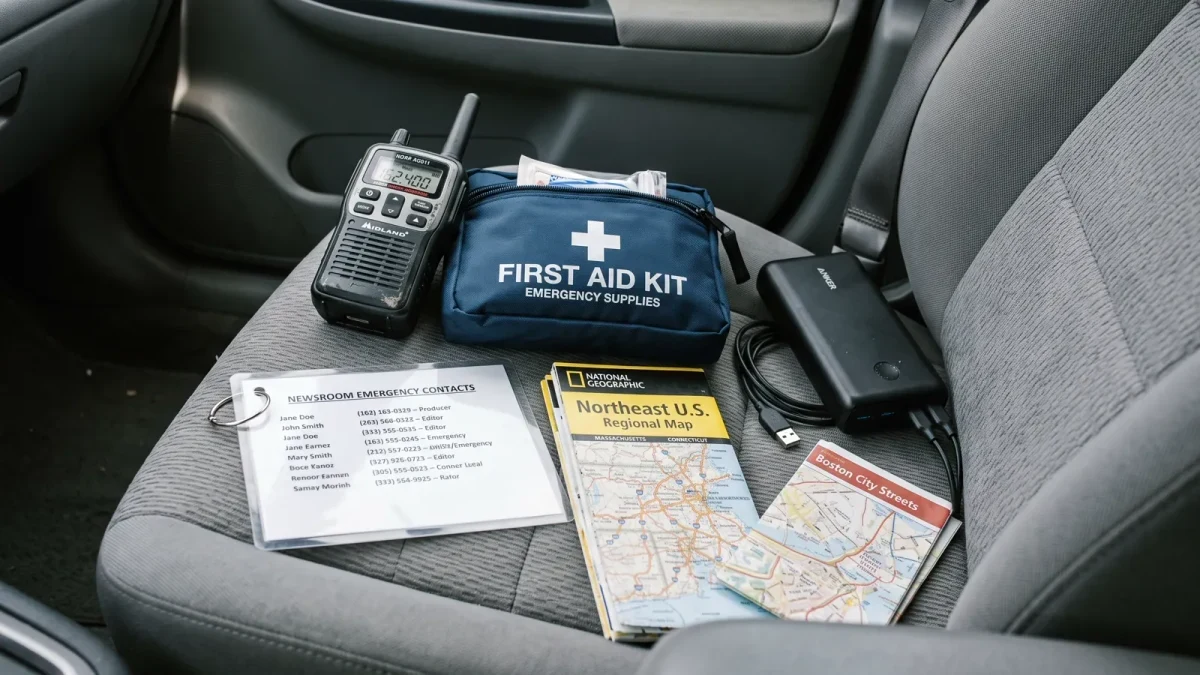
The outlets that serve communities in disasters prepare in calm weather — charged gear, standing source lists, pre-written explainers, and a publishing plan that assumes the power is out.
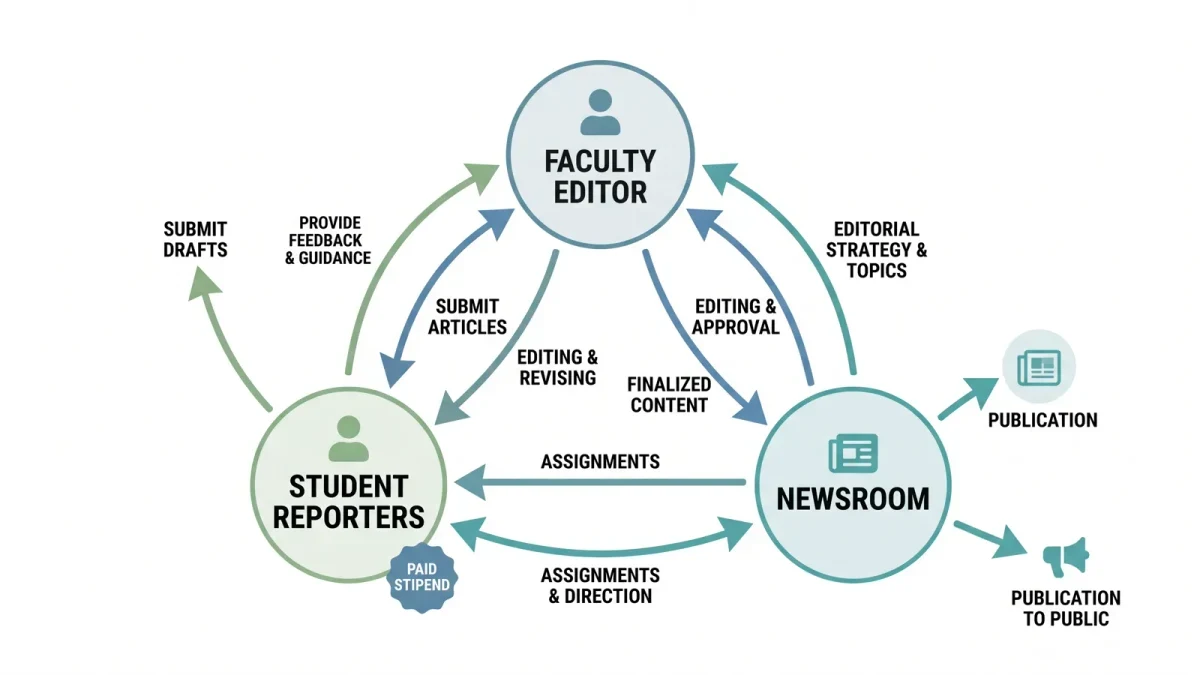
Paid, credited, edited work — the partnerships that last treat students as staff and the newsroom as a teaching hospital, with liability and credit rules written before the first assignment.
Translation is the last and cheapest step: serving a bilingual community means hiring from it, verifying in both languages, and publishing where each audience already is.
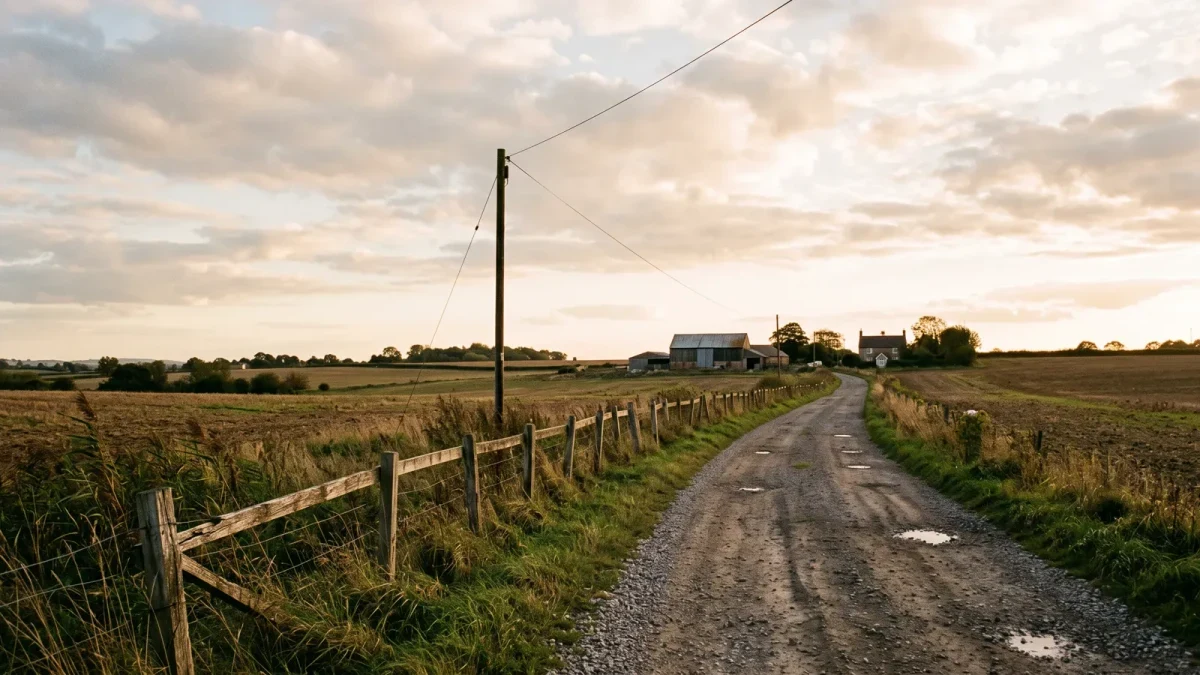
Where connections are slow or absent, the local outlet is often the only institution that can still reach everyone — if it remembers print, radio, and the county library's parking lot.
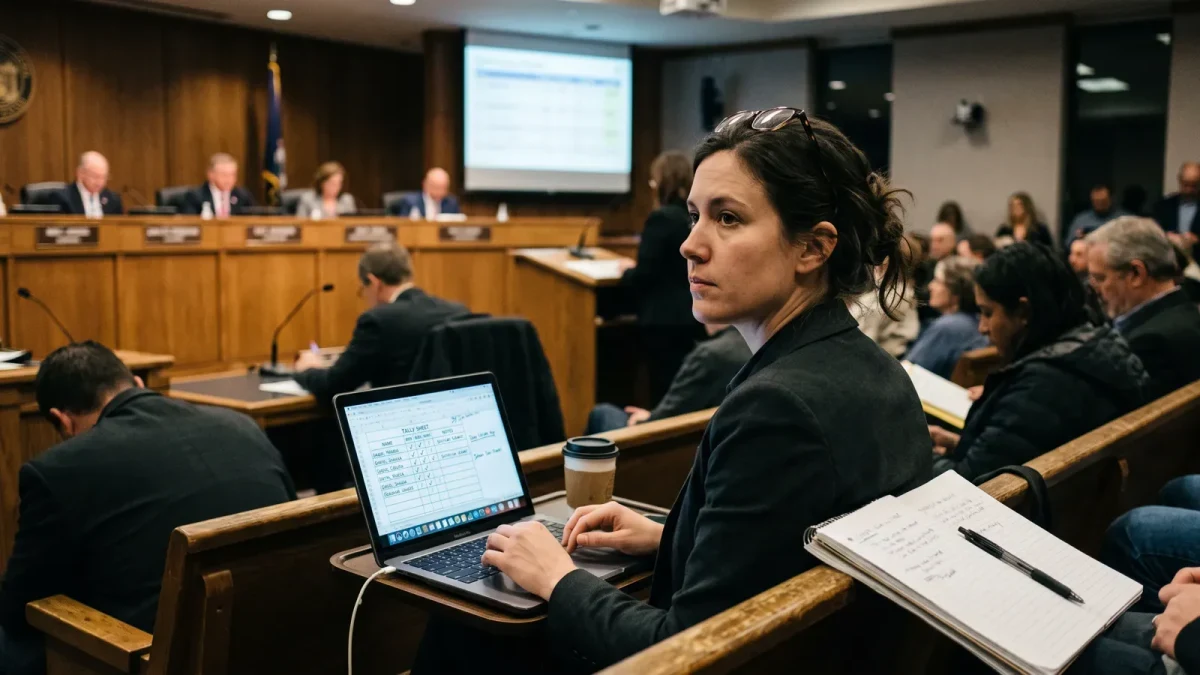
The council meeting is not the story — it is the tip line: the votes, abstentions, and consent-agenda items that survive a boring meeting are where local corruption goes to hide.