Coverage of journalism at city and county level: closures and launches, staffing at surviving papers, the spread of news deserts, and research linking lost coverage to lower turnout and higher municipal borrowing costs. Read by community publishers, local officials and philanthropies funding regional reporting.
Coverage of journalism at city and county level: closures and launches, staffing at surviving papers, the spread of news deserts, and research linking lost coverage to lower turnout and higher municipal borrowing costs. Read by community publishers, local officials and philanthropies funding regional reporting.
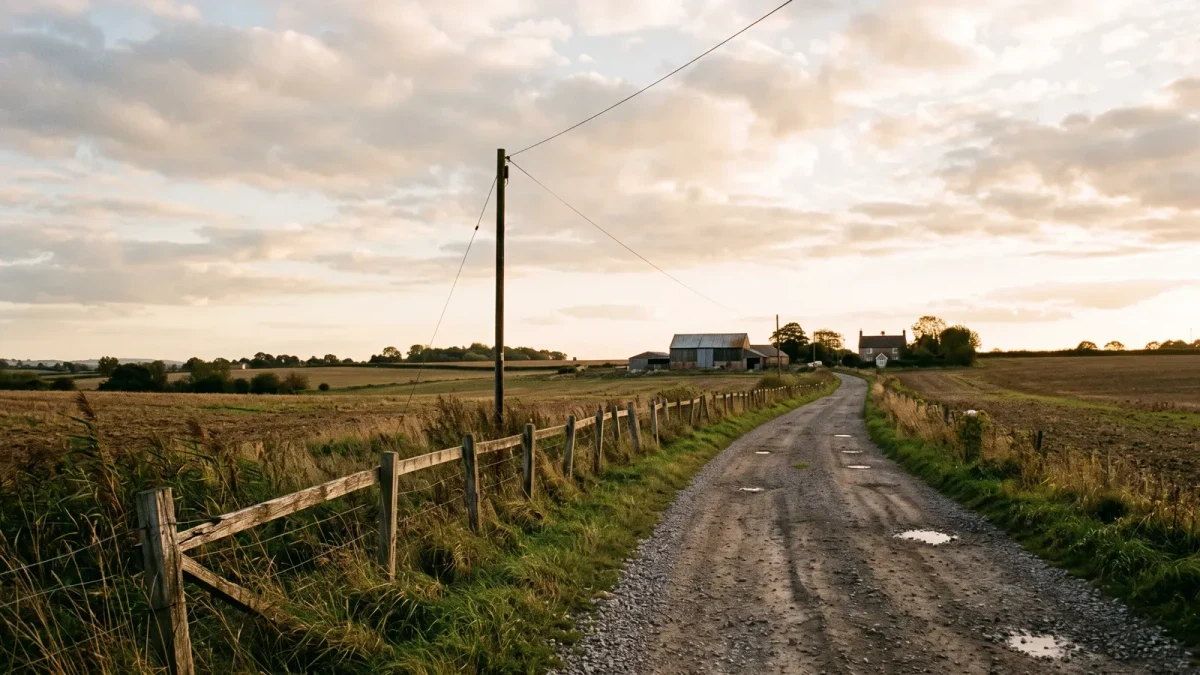
Where connections are slow or absent, the local outlet is often the only institution that can still reach everyone — if it remembers print, radio, and the county library's parking lot.
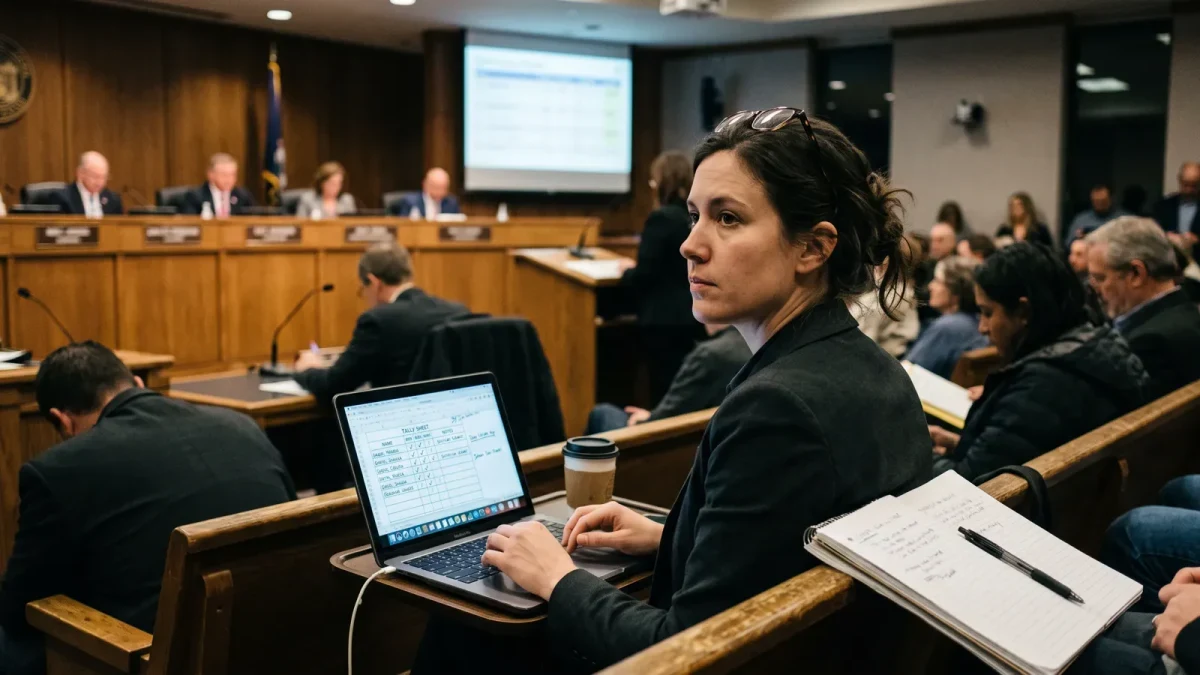
The council meeting is not the story — it is the tip line: the votes, abstentions, and consent-agenda items that survive a boring meeting are where local corruption goes to hide.
Obituaries deliver exactly what local readers still cannot get anywhere else — the life of someone they knew — and the outlets that invest in them convert trust, traffic, and revenue.
Federal statistical agencies publish local cuts on a fixed calendar — a small newsroom can schedule a year of accountability stories from releases that are already public and free.
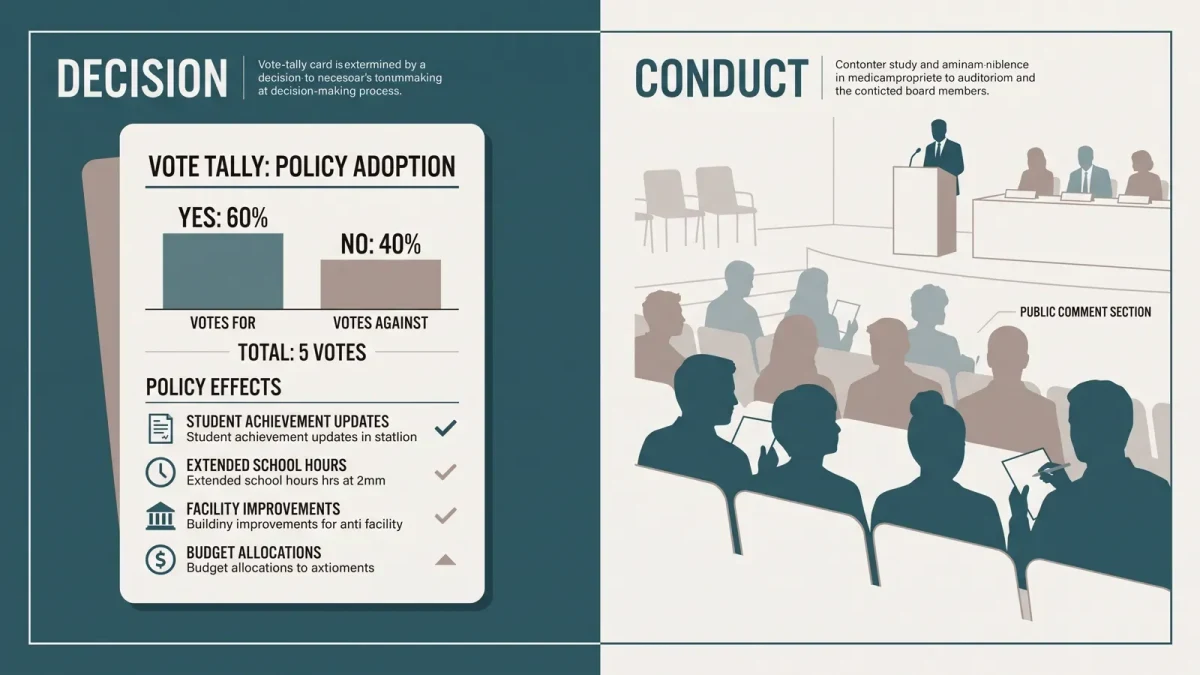
School-board coverage that survives hostile rooms rests on preparation, de-escalation, and covering policy instead of the shouting — and on deciding safety rules before the meeting, not during it.