Business developments across the wider media economy: advertising demand, platform traffic and payments, subscription and bundle pricing, content licensing, and mergers among publishers. Items connect each move to the revenue lines newsrooms depend on. Read by commercial directors, analysts and publishers setting next year's budget.
From Australia's per-journalist subsidies to U.S. state tax credits, public funding is spreading — and every working scheme pairs the money with an arm's-length design.
Foundation money carries the majority of nonprofit news budgets in the U.S., concentrated in a handful of funders — which makes disclosure and independence policy the price of the model.
Events, printing and mailing, training, and sponsorship of specific coverage generate cash without selling the masthead — if each is priced to cover its true labor.
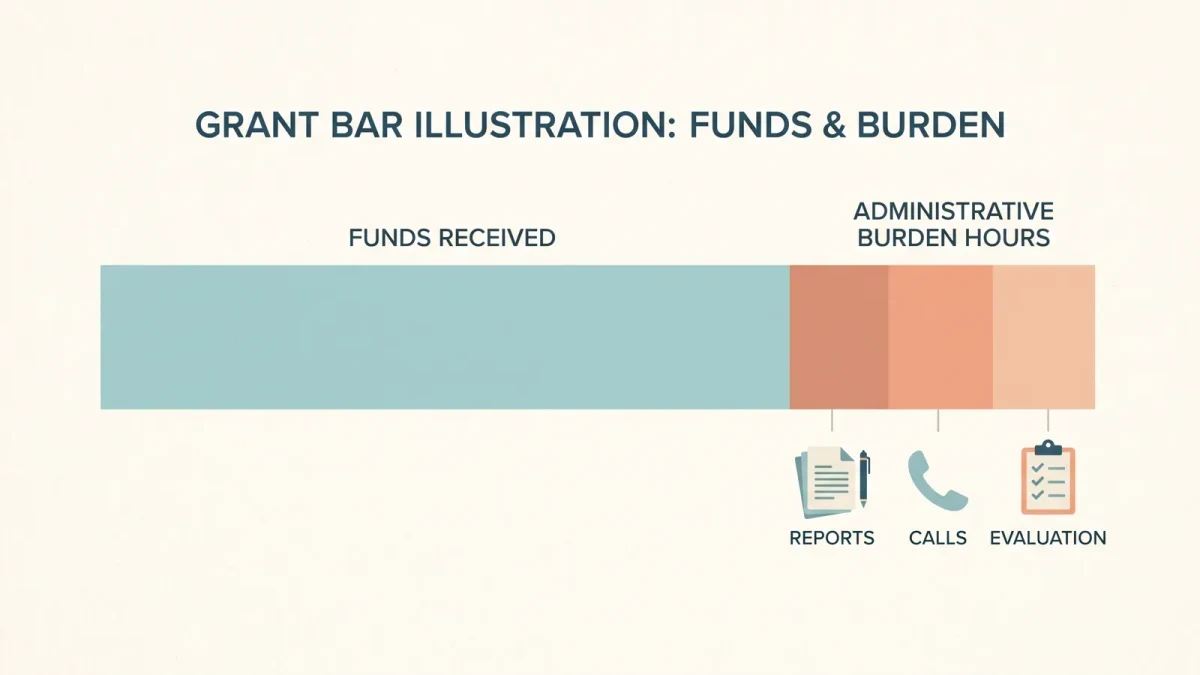
Every grant carries a second budget — the staff hours its reports, meetings, and evaluations consume — and the newsrooms that track those hours negotiate better terms and fewer grants.
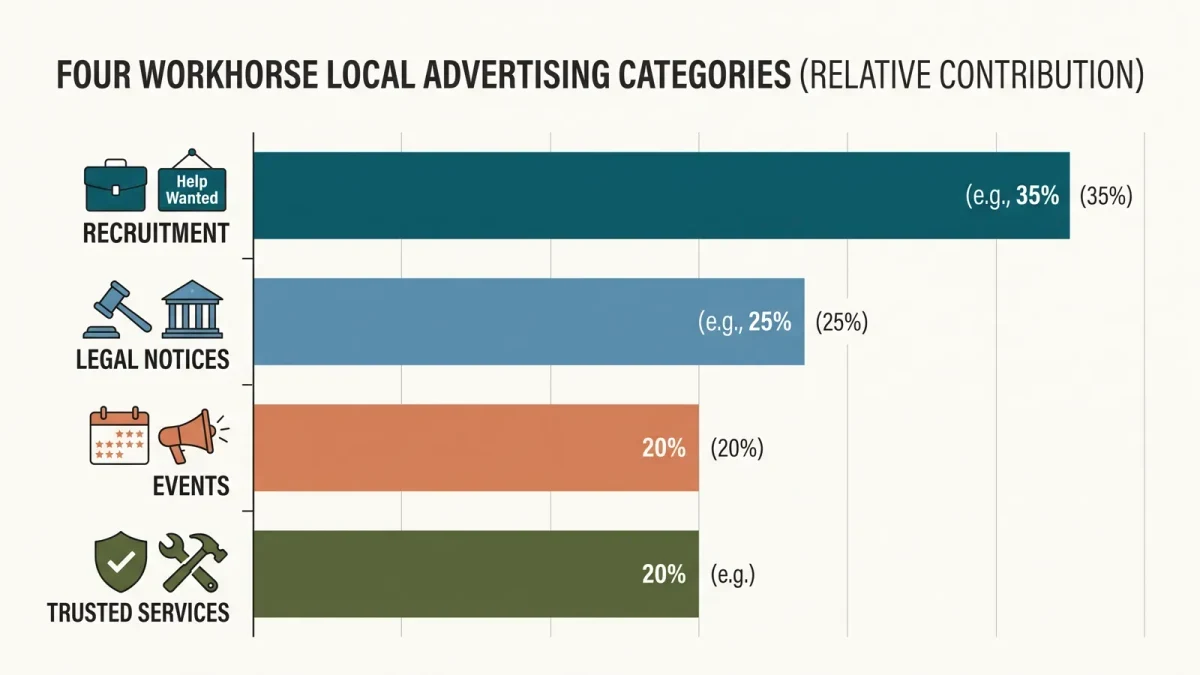
Programmatic pennies left town long ago — but employment ads, legal notices, events, and service categories still pay real rates to outlets that sell outcomes, not impressions.